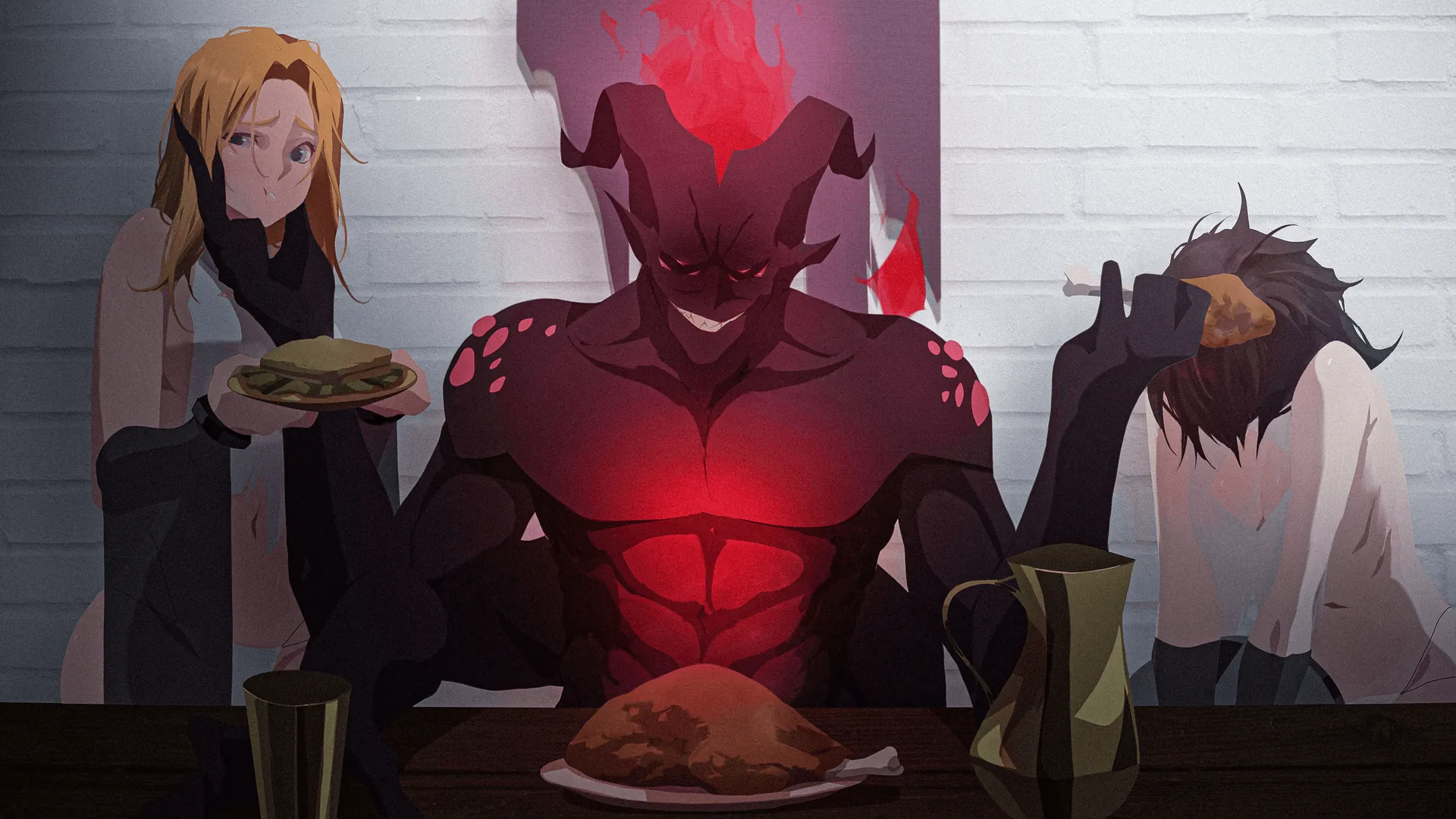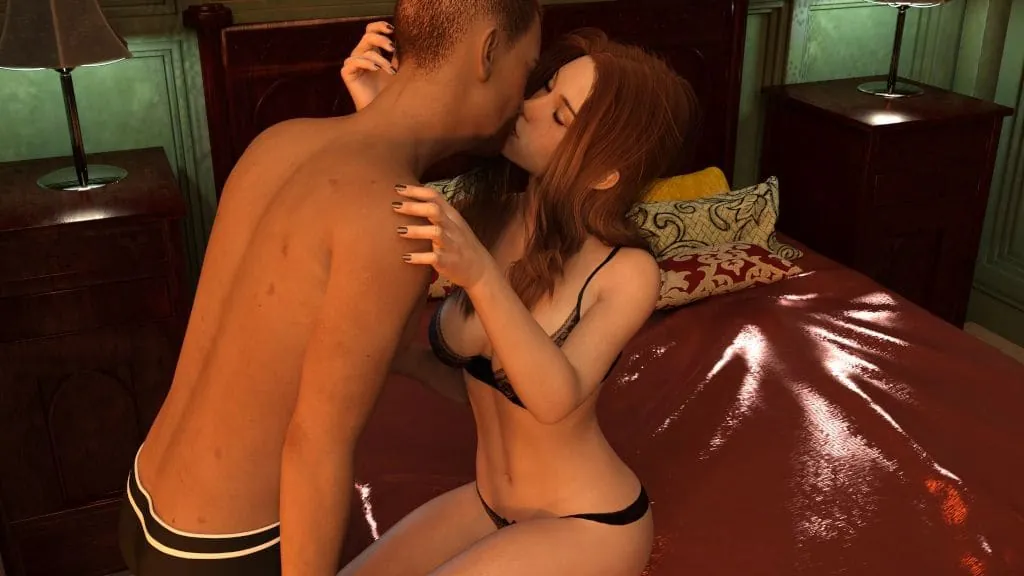
Sorcerer
Play Sorcerer
Sorcerer Screenshots
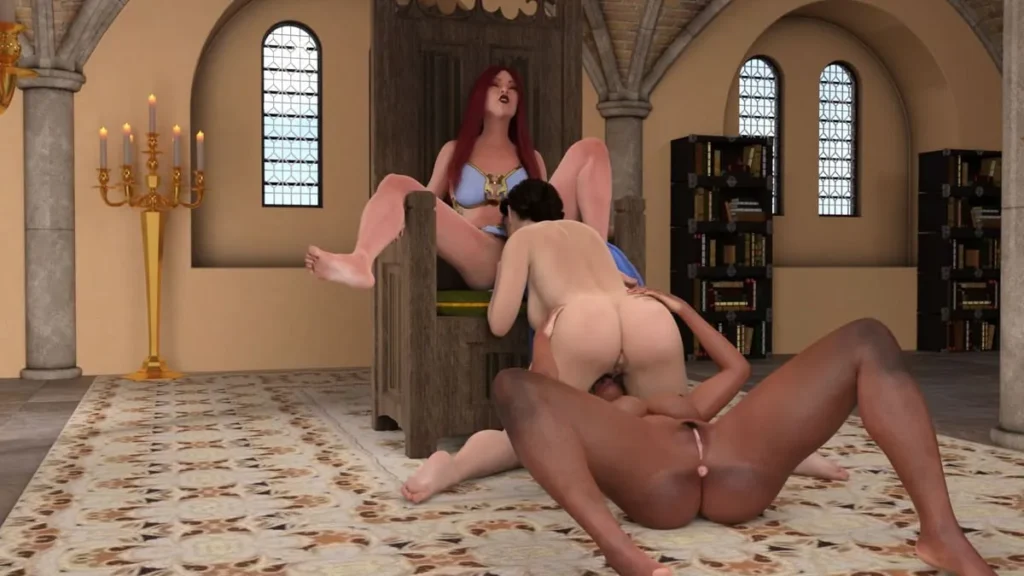
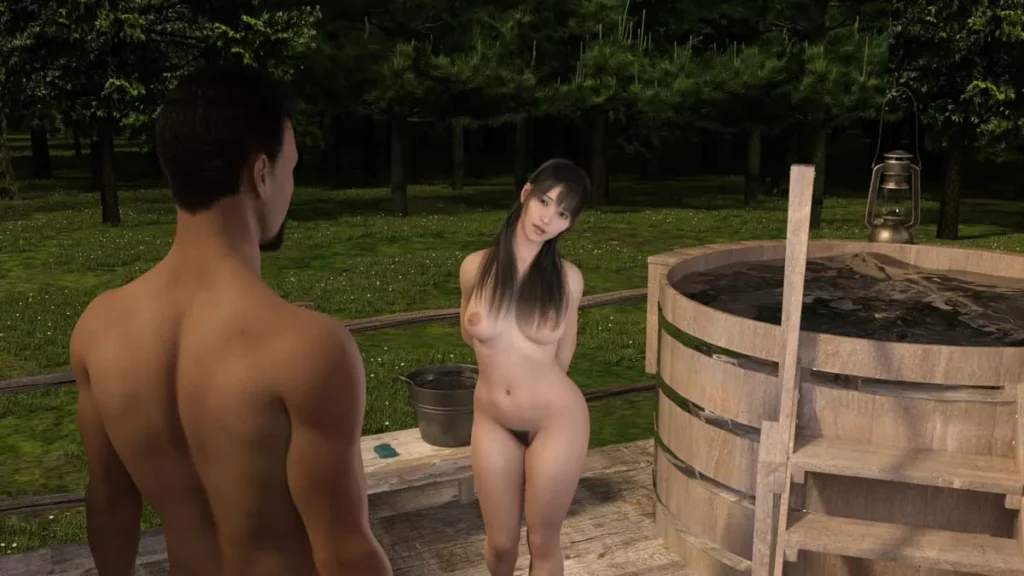

Sorcerer review
Explore routes, characters, and endings in this supernatural visual novel
Sorcerer’s Choice: Angel or Demon is a supernatural visual novel that puts players in the role of Lucil, a young sorcerer forced from his home who must choose between two powerful beings vying for his allegiance. This game offers a branching narrative experience with distinct story paths, multiple endings, and mature content that varies significantly depending on your choices. Whether you’re interested in the Light route’s slow-burn romance or the Darkness path’s intense encounters, understanding the game’s structure, character dynamics, and content warnings will help you navigate this complex supernatural tale. This comprehensive guide covers everything you need to know about the game’s routes, characters, endings, and what makes each playthrough unique.
Understanding the Game Structure and Routes
So, you’ve started Sorcerer’s Choice: Angel or Demon, and you’re staring at that first monumental decision. ✨ The game asks you to align with the essence of Light or the allure of Darkness. It feels huge, right? I remember my first time, cursor hovering, paralyzed by the weight of it. I was thinking, “Is this just a cosmetic choice, or does it actually matter?” Let me tell you, it matters more than almost any other decision you’ll make in a visual novel. This initial choice doesn’t just change a few scenes—it unlocks one of two completely different worlds, narratives, and romanceable companions. It’s the defining fork in the road for your entire experience.
This chapter is your map to that fork. We’re going to break down the core game structure of Sorcerer’s Choice, so you can understand exactly what you’re signing up for. We’ll explore the fundamental Light and Darkness paths, dive deep into the two distinct character routes, and unravel the system of multiple endings gameplay that gives this title its incredible replay value. By the end, you’ll be ready to make that first choice with confidence—or, more likely, eager to play through both sides to see everything this supernatural story has to offer! 🔮
How the Light and Darkness Routes Differ
Think of your choice between Light and Darkness as choosing which novel you want to read. They share the same core setting—a magical academy where you, a fledgling sorcerer, are learning to control your powers—but the tone, themes, and central relationships are worlds apart. This is the heart of the Sorcerer’s Choice routes.
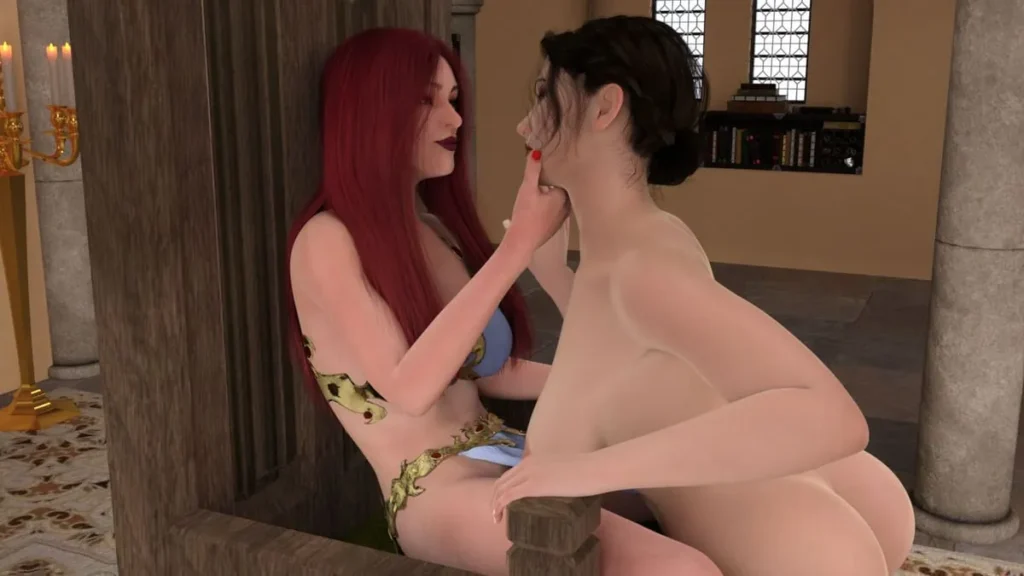
Choosing Light immerses you in a narrative of protection, hope, and forging bonds through trust. The atmosphere is generally warmer, the conflicts often revolve around external threats to the academy’s peace, and your magic is framed as a gift to safeguard others. Your companion and guide on this path is Flow, an angelic being who becomes your mentor and potential love interest. This route focuses on slow, meaningful connection and the moral high ground, though it certainly isn’t without its own dramatic challenges and painful sacrifices.
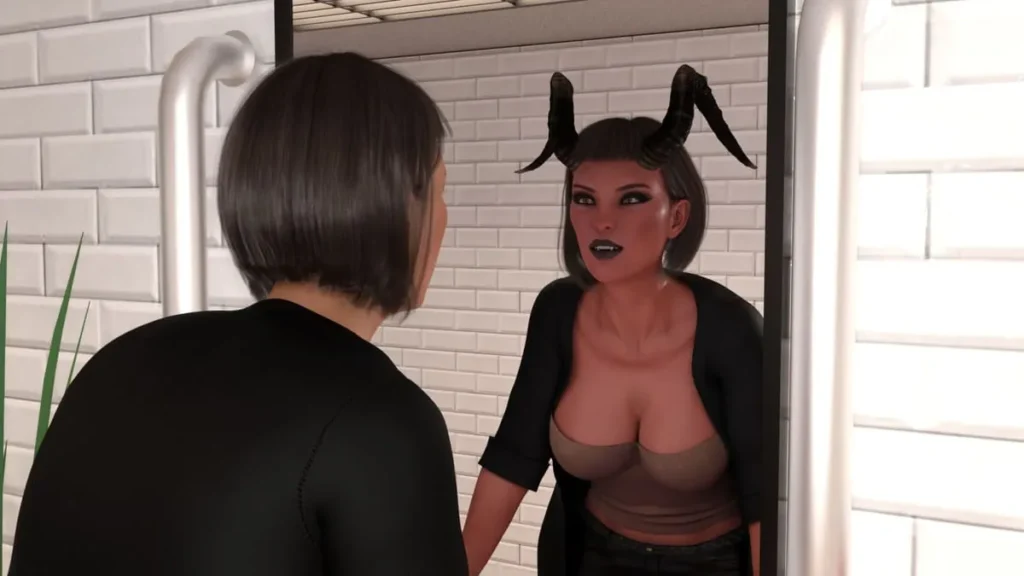
In stark contrast, selecting Darkness plunges you into a story of ambition, hidden desires, and challenging the established order. The academy feels more like a gilded cage, and your power is a tool for personal liberation and uncovering uncomfortable truths. Your guide here is Lobelia, a demon who tempts you with knowledge and passion. The Light and Darkness paths are designed to be thematic opposites; where Light seeks to preserve, Darkness often seeks to disrupt or claim. This route explores morally grey areas, intense power dynamics, and a romance that is as dangerous as it is compelling.
Pro Tip: Don’t stress about “picking the right one” on your first go. I treated my first playthrough as a role-playing experience—I asked myself, “What would this version of my character choose?” It made the consequences feel more personal and engaging.
The brilliance of this structure is that neither path is presented as purely “good” or “evil.” The Light route can feel restrictive in its righteousness, while the Darkness path offers a thrilling, if risky, kind of freedom. Your fundamental values as a player will likely draw you to one over the other, and that’s exactly the point. This branching narrative choice at the very beginning ensures that your journey feels uniquely yours from the first moment.
Character Paths: Flow and Lobelia Explained
Once you’ve chosen your metaphysical alignment, your romantic path is essentially set. The Sorcerer’s Choice routes are intrinsically tied to their central characters. You cannot romance Flow on the Darkness path, nor can you pursue Lobelia on the Light path. This design makes each storyline incredibly focused and deep.
Let’s start with the Flow character route. Flow is your guardian angel, quite literally. As a being of Light assigned to watch over a promising sorcerer, their initial role is one of detached mentorship. The romance here is a quintessential slow-burn. It’s about breaking down barriers of duty and celestial protocol to find a genuine, heartfelt connection. Flow’s story is one of learning to embrace individual emotion and desire, concepts that can be foreign to a being of pure light. Your choices in this route often revolve around offering comfort, demonstrating unwavering loyalty, and choosing empathy and understanding in the face of conflict. It’s a profoundly wholesome and satisfying progression that feels earned. Think of it as building a beautiful, stained-glass window together—piece by careful piece.
Now, let’s talk about the Lobelia romance path. Buckle up. Lobelia is a demon who sees not a student to protect, but a powerful peer to corrupt (or liberate, depending on your perspective). The relationship is fiery, intense, and charged with a tantalizing danger from the very first interaction. This path is characterized by its explicit content and morally complex situations. Lobelia challenges you, tests your limits, and encourages you to seize power and pleasure without apology. The romance is less about gentle building and more about explosive chemistry and navigating a partnership where control is constantly negotiated. Choosing Lobelia’s path means embracing ambiguity and often walking a razor’s edge between passion and self-destruction. It’s a wild, unforgettable ride. 😈
To make the contrasts crystal clear, here’s a breakdown:
| Aspect | Flow’s Path (Light) | Lobelia’s Path (Darkness) |
|---|---|---|
| Overall Tone | Hopeful, protective, emotionally tender | Intense, seductive, morally ambiguous |
| Pacing & Relationship Development | Slow-burn, trust-based, built on mutual respect and gentle moments. | Fast-burning, chemistry-driven, built on challenge and shared secrets. |
| Core Themes | Duty vs. Love, Sacrifice, Hope, Healing | Freedom vs. Control, Ambition, Taboo Desire, Power |
| Content & Intensity | Focus on emotional intimacy and romantic tension. Explicit scenes are tender and emotionally charged. | High intensity throughout. Explicit content is passionate, direct, and woven into the power dynamics of the relationship. |
Multiple Endings and Replay Value
Here’s where Sorcerer’s Choice truly shines and demands your attention: the multiple endings gameplay. You might think choosing Light or Darkness leads to one finale, but you’d be wrong. Each of the two main Sorcerer’s Choice routes contains five distinct endings. That’s right—your journey with Flow or Lobelia can conclude in ten dramatically different ways across both paths.
Why so many? Because your branching narrative choices throughout the game matter immensely. It’s not just the big, obvious decisions; sometimes, a seemingly small, compassionate choice in Chapter 3 can be the key that unlocks a specific visual novel ending in Chapter 10. The game tracks your consistency, your key decisions at major crossroads, and often a hidden “affection” or “alignment” score behind the scenes.
So, what are these five endings per route? Generally, they break down like this:
- The “Pure Heart” Ending (Light) / The “Eternal Bond” Ending (Darkness): This is the canonical happy ending for each route. It requires making the most aligned, relationship-affirming choices throughout the story. You’ve fully embraced the path’s ideals and your partner’s heart. It’s the most satisfying conclusion and often feels like the “true” ending for that character’s arc.
- The Sacrificial Ending: You achieve a major goal or save the day, but at a great personal cost, often involving your relationship with Flow or Lobelia. It’s bittersweet and emotionally powerful.
- The Compromise Ending: You manage to find a middle ground in a final conflict, but it means neither side gets everything they wanted. Your relationship survives, but it’s changed—perhaps more mature, but with lingering scars.
- The Downfall Ending: Your choices lead to a catastrophic failure. You might lose your power, your status, or see the academy fall. Your romantic relationship likely fractures or ends under the strain of failure.
- The Corruption (Light) / Abandonment (Darkness) Ending: The “worst” ending. On Flow’s route, this might mean betraying the ideals of Light entirely. On Lobelia’s path, this could mean being utterly consumed and then discarded by the very darkness you embraced. It’s a stark, tragic conclusion.
This structure is the engine of the game’s incredible replay value. My first ending with Lobelia was the “Compromise” ending, and it left me with so many questions about what I’d missed. I immediately replayed, making different branching narrative choices, and was stunned by how different the story felt, leading me to the “Eternal Bond” finale. It revealed entire scenes and character nuances I never saw the first time.
Personal Insight: Don’t use a guide on your first blind playthrough! The magic is in living with your choices and seeing where your instincts lead. Then, use subsequent playthroughs to consciously explore different decision trees. You’ll appreciate the narrative craftsmanship so much more.
Chasing all these visual novel endings isn’t a chore; it’s a revelation. Each ending adds a new piece to the puzzle of the game’s world and its central characters. You understand Flow’s fears and Lobelia’s vulnerabilities on a much deeper level when you see how different choices break—or strengthen—them. This is the core promise of multiple endings gameplay: your agency shapes not just a scene, but the entire thematic and emotional conclusion of your story.
Understanding this structure—the pivotal choice between Light and Darkness paths, the deeply personal Flow character route and Lobelia romance path, and the intricate web of multiple endings—is your key to mastering Sorcerer’s Choice. It transforms it from a simple story into a personal playground of supernatural romance and consequence. Now that you have the map, the only thing left to do is begin your journey. Which path calls to you first? 🌙✨
Sorcerer’s Choice: Angel or Demon offers a compelling visual novel experience that challenges players to navigate complex moral choices between two fundamentally different romantic paths. The game’s strength lies in its willingness to explore contrasting relationship dynamics—from Flow’s wholesome, consensual romance to Lobelia’s morally ambiguous intensity—each with their own narrative depth and multiple endings. Understanding the game’s structure, character motivations, and content warnings is essential for determining whether this title aligns with your preferences. The extensive CG artwork, branching narrative choices, and replay value through multiple endings provide substantial content for players seeking a mature visual novel experience. Whether you’re drawn to the angel’s light or the demon’s darkness, Sorcerer’s Choice delivers a thought-provoking exploration of choice, agency, and desire that lingers long after the credits roll. If you’re considering playing this game, take time to reflect on which route resonates with your values and comfort level, and don’t hesitate to explore different paths across multiple playthroughs to fully appreciate the game’s narrative complexity.