Tales of Unity
Play Tales of Unity
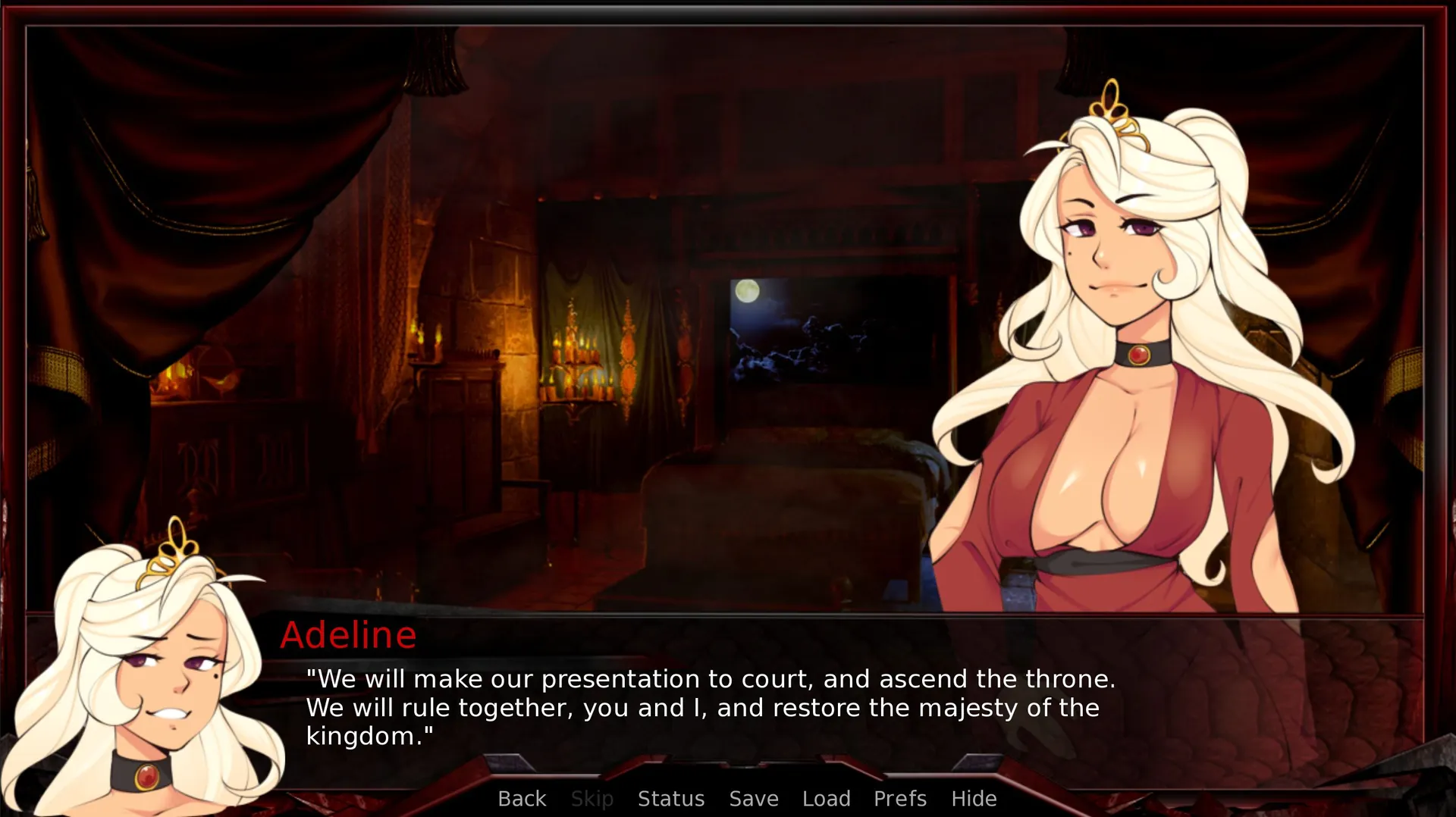
Tales of Unity Screenshots
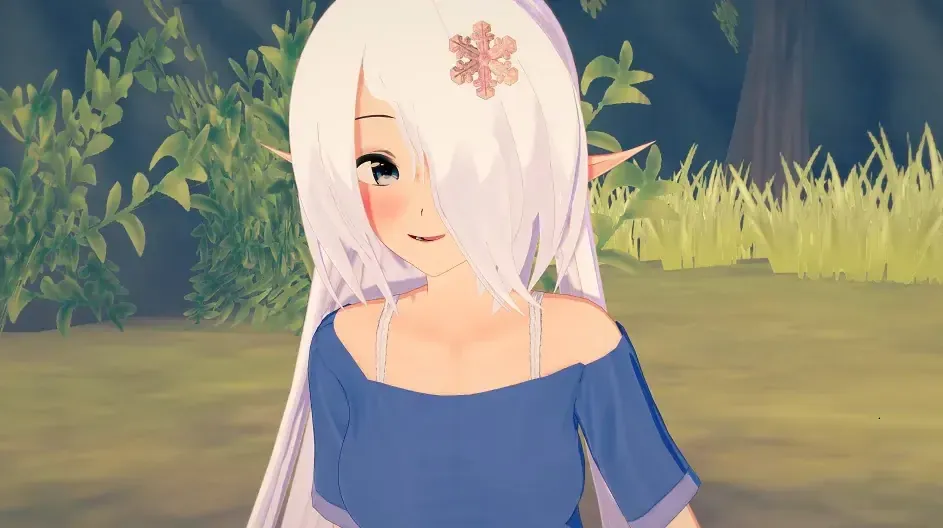
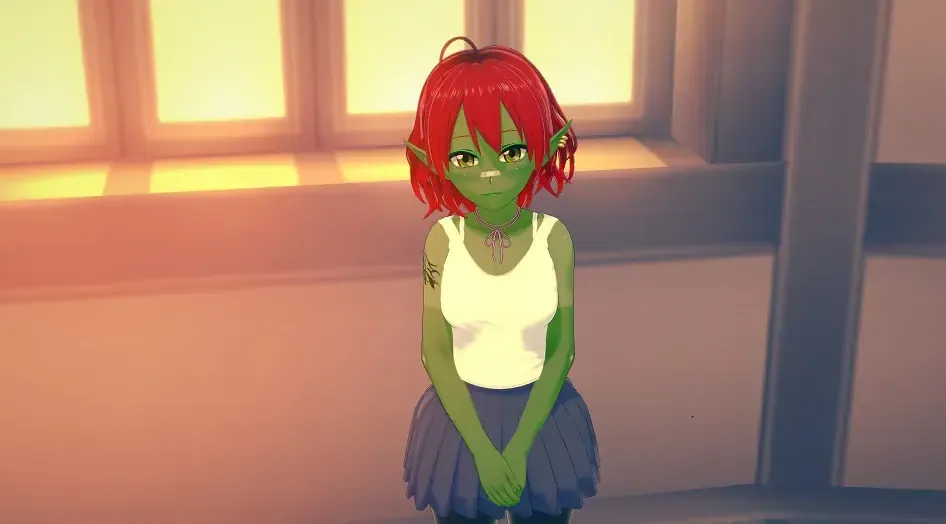
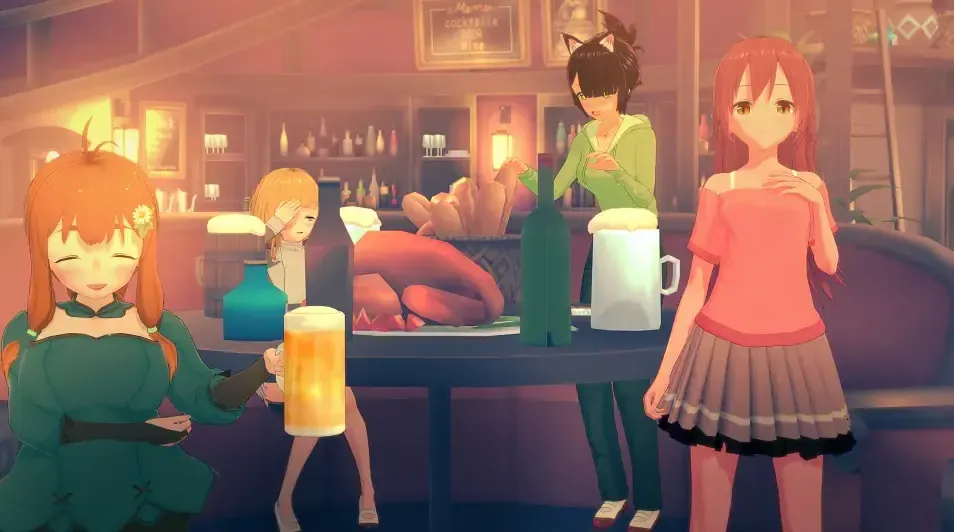
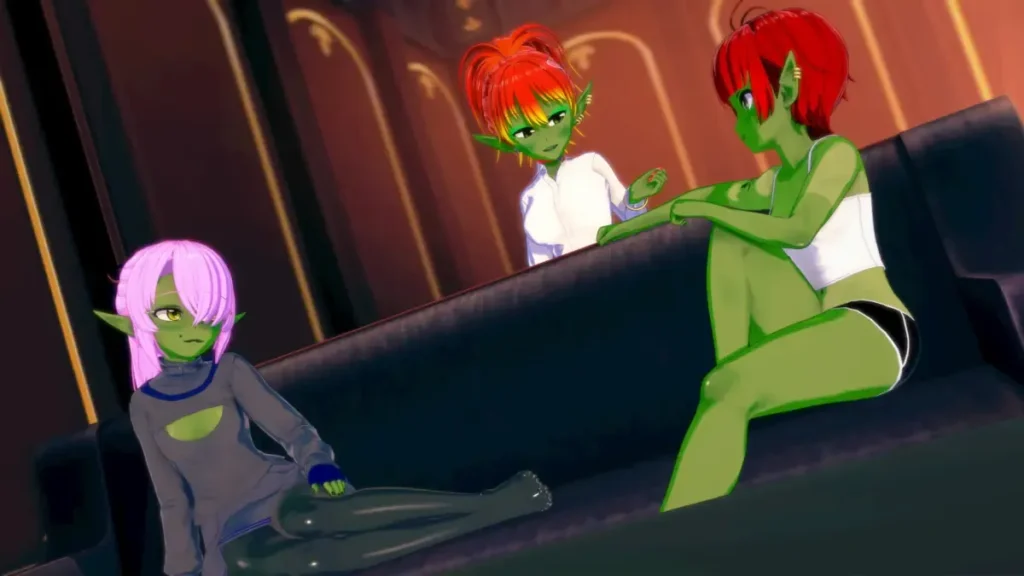
Tales of Unity review
Exploring how this indie narrative game redefines character development and emotional engagement
Tales of Unity has emerged as a remarkable achievement in indie game development, proving that compelling storytelling transcends genre boundaries. This narrative-driven experience captivates players through its intricate character arcs, witty dialogue, and emotionally resonant plot. Whether you’re a seasoned gamer or someone exploring indie titles for the first time, Tales of Unity offers an engaging journey that challenges conventional expectations about what interactive fiction can achieve. The game has garnered significant praise from the gaming community for its masterful balance of humor, drama, and character depth, establishing itself as a benchmark for narrative excellence in independent game development.
The Narrative Architecture of Tales of Unity
You know that feeling when a game’s story grabs you by the heart and just won’t let go? 🎮 That’s the magic I experienced the first time I booted up Tales of Unity. I went in expecting a charming indie adventure, but what I got was a masterclass in interactive storytelling that reshaped my entire perspective on narrative in games. It’s a title that doesn’t just tell a story; it builds a world of fragile connections and profound growth, making you an active participant in its emotional fabric.
“I’ve never felt so deeply responsible for fictional characters before. Tales of Unity doesn’t just develop its cast; it lets you witness and influence the quiet, messy, beautiful process of them becoming their best selves. It’s a narrative masterpiece.”
This sentiment, echoed across countless player reviews, hits the nail on the head. So, how does this indie gem achieve such a powerful effect? Let’s pull back the curtain on the narrative architecture of Tales of Unity.
What Makes the Story Compelling?
At its core, the Tales of Unity narrative structure is deceptively simple, yet ingeniously layered. Unlike many games that operate on a “save the world” epic scale, this one zooms in on the microcosm of a single, struggling community. The brilliance lies in its modular progression. Instead of a linear A-to-B plot, the story unfolds through interconnected character vignettes that you can tackle in a semi-flexible order.
Think of it like a tapestry. 🧵 Each thread—each character’s personal quest—seems independent at first. But as you play, you start to see the knots and weaves where they intersect. Helping the reclusive blacksmith overcome his grief might later provide the tool needed to mend the bridge for the stranded farmer, whose gratitude then opens up a new dialogue path with the town mayor. Your actions create ripple effects that are not always immediately visible, crafting a deeply personal cause-and-effect chain that makes the world feel astonishingly alive and responsive.
This approach to indie game narrative design is a breath of fresh air. It replaces sheer plot complexity with relational complexity. The tension doesn’t just come from external threats, but from the delicate, often strained web of relationships you’re helping to mend or break. The game masterfully maintains interest by constantly rewarding your curiosity. Every solved problem reveals a new layer of a character’s past, and every mended relationship unlocks a fresh perspective on the town’s central conflict.
Here are the key narrative elements that make this structure sing:
- Character Relationships: The plot is the relationships. Every major story beat is catalyzed by a change in how characters perceive each other.
- Organic Plot Twists: Revelations feel earned, often arising from your own investigative actions or a deepened trust with a character, rather than arbitrary scripted events.
- Thematic Depth: The core theme of “unity” is explored from every angle—unity within oneself, with others, and with one’s past.
- Exceptional Dialogue Quality: Conversations are nuanced, full of subtext, and change dynamically based on what you know and have done.
- Pacing Mastery: The game expertly balances quiet, reflective moments with bursts of emotional intensity, preventing narrative fatigue.
This is the foundational genius of how does Tales of Unity tell its story. It makes you the catalyst for narrative momentum, investing you not in a predefined destiny, but in the organic outcomes of your choices and attentiveness.
Character Development and Emotional Depth
If the narrative structure is the skeleton, then the characters are the beating heart. This is where Tales of Unity truly redefines character development in indie games. Forget simple stat increases or loyalty meters; development here is psychological, messy, and beautifully human.
Let’s talk about Aris, the runaway musician you meet early on. 🎸 He’s not just a vendor of lore or quests. His initial arrogance is a shield for profound stage fright and a fear of not living up to his family’s legacy. His character arc isn’t triggered by a main quest checkpoint. It begins when you, perhaps by chance, find his discarded sheet music in the woods. Returning it to him doesn’t complete a quest—it opens a new, optional dialogue tree about creative insecurity. Later, you might convince him to play for just one person (the kindly innkeeper). This tiny act of bravery, facilitated by you, becomes a cornerstone of his confidence. His entire journey from a cocky but broken artist to a humble, genuine performer is optional, seeded in the world for you to discover and nurture.
This is the essence of Tales of Unity character arcs. They are not narrated to you; they are facilitated by you. The game’s interactive storytelling mechanics give you the tools—a listening ear, a found object, a word of encouragement at the right time—to help characters confront their demons. Your agency doesn’t change the destination of their growth (the writing ensures a coherent arc), but it intimately shapes the journey and its pace.
The emotional storytelling in games reaches its peak through these dynamics. You don’t just observe a touching reunion; you spend hours gathering fragmented memories for an amnesiac elder, piecing together the story of their lost love so the reunion has weight and meaning that you built. The payoff is a tsunami of emotion because you earned it. The game creates meaningful player investment by making you an emotional architect.
The following table breaks down how secondary characters’ development is interwoven with gameplay and primary character growth:
| Character | Initial Barrier | Player’s Role | Impact on Main Story |
|---|---|---|---|
| Kaelen (Blacksmith) | Consumed by grief; refuses to work. | Find mementos of his late teacher to remind him of joy in craft. | Unlocks equipment upgrades and reveals hidden history of the town’s founding. |
| Elara (Herbalist) | Isolated by social anxiety and a mistrust of the community. | Gently encourage her to share her remedies, delivering them for her at first. | Provides critical healing items and information that resolves a central political stalemate. |
| Finn (Fisherman) | Guilt over a past accident that injured a friend. | Help him repair his boat and eventually facilitate a conversation with the injured friend. | Grants access to a key offshore area and models the theme of reconciliation for the protagonist. |
This systemic approach ensures that every interaction feels significant. You’re not grinding for reputation; you’re engaging in emotional archaeology, carefully brushing away the dirt to reveal the person beneath. It’s a powerful lesson in indie game narrative design: depth is not about the number of characters, but the actionable resonance of each one.
The Role of Comedy in Storytelling
Now, a story this rich in emotional depth could easily become a slog. But Tales of Unity understands a fundamental truth: light makes the shadows deeper. 🎭 The game’s use of comedy isn’t just comic relief; it’s a vital narrative tool for characterization, pacing, and emotional authenticity.
The humor is rarely slapstick or out-of-place. It’s character-driven and situational. Take the aforementioned musician, Aris. His early attempts to flirt, which are spectacularly awkward and poetically overblown, tell you more about his insecurities than any dramatic monologue could. The game’s resident conspiracy theorist, who believes the town’s missing socks are part of a grand avian plot, provides laugh-out-loud moments. Yet, later, you might find a poignant note revealing his theories stem from a lonely childhood spent watching birds after his parents left—instantly reframing the comedy with a layer of heartbreaking context.
This balance of tones is masterful. A tense, somber negotiation between town leaders might be abruptly undercut by a stray cat loudly knocking over a vase in the background. It feels real. Life isn’t a uniformly dramatic tone; it’s a messy mix of the serious and the silly. The game mirrors this, preventing emotional fatigue and making its world feel lived-in and genuine.
Most importantly, the comedy is often the gateway to vulnerability. Characters let their guards down through jokes and shared laughter. You might bond with the stoic guard captain not over a battle, but by mutually failing at a silly dancing mini-game during a festival. These moments of shared levity create the trust necessary for the heavier, more serious conversations that follow. The humor isn’t separate from the emotional storytelling in games; it’s the sugar that helps the medicine of profound themes go down, making the eventual dramatic hits land with even greater force.
In essence, Tales of Unity demonstrates that great storytelling isn’t about choosing between laughter and tears. It’s about understanding that both are sides of the same coin, each making the other more potent. Its narrative structure gives you the space to explore, its character development gives you people worth caring about, and its comedic heart makes the entire journey an authentic, unforgettable human experience. It’s a shining example of how interactive storytelling mechanics, when designed with this much intention and care, can create something that doesn’t just entertain, but genuinely stays with you.
Tales of Unity stands as a testament to the power of thoughtful narrative design in interactive media. Through its rich character development, intelligent humor, and emotionally engaging storytelling, the game demonstrates that indie developers can create experiences rivaling larger productions in narrative depth and player investment. The game’s success lies not just in what it tells, but how it tells it—through meaningful character interactions, well-paced plot progression, and dialogue that feels authentic and purposeful. For anyone interested in exploring what modern indie games can achieve in terms of storytelling excellence, Tales of Unity represents an essential experience that challenges preconceptions about the medium and inspires appreciation for narrative-driven gameplay.