
Taboo University
Play Taboo University
Taboo University Screenshots









Taboo University review
Explore the mystery, factions, and branching storylines in this choice-driven visual novel
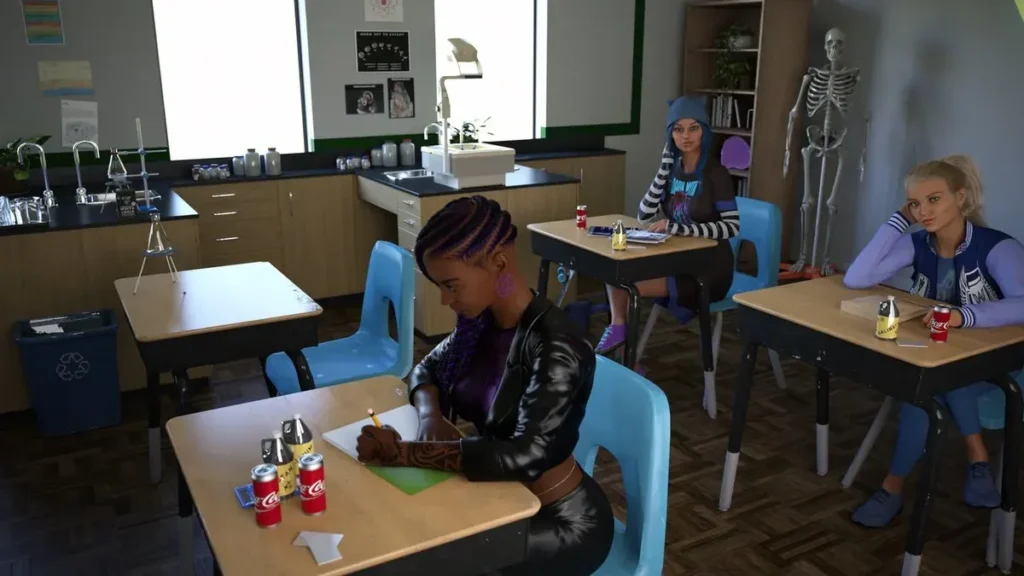
Taboo University Book One is a choice-driven visual novel that combines mystery investigation with complex character relationships and faction-based gameplay. Players assume the role of an undercover police officer infiltrating ViNovella University to uncover the truth behind three mysterious disappearances. The game stands out for its branching narrative paths, multiple faction alignments, and consequence-driven decision-making system that significantly impacts both the investigation and character interactions. Whether you’re drawn to the mystery elements, character development, or the game’s various storyline branches, understanding the core mechanics and narrative structure will enhance your gameplay experience.
Understanding Taboo University’s Core Gameplay Mechanics
Ever feel like your choices in a game don’t really matter? 🤔 You pick dialogue option A or B, and the story chugs along the same predetermined track, maybe with a slightly different flavor of ending. Well, forget all that. Taboo University isn’t just another visual novel; it’s a masterclass in consequence-based storytelling where every whisper, every glance, and every seemingly innocent decision can detonate your path in spectacular fashion. This isn’t about reading a story—it’s about living one you write yourself, page by perilous page.
The magic of Taboo University gameplay mechanics lies in their beautiful, terrifying simplicity: you choose, and the game remembers. Forever. This guide will pull back the curtain on the systems that make this choice-driven visual novel so compellingly replayable, from the shadowy faction system game to the delicate dance of its character relationship mechanics. Ready to enroll? Let’s begin.
Choice-Driven Storytelling and Decision Impact
From the moment you step onto campus, your investigation is guided by your cursor. The core Taboo University gameplay mechanics are built on a foundation where almost every interaction is a pivot point. Talking to a classmate, deciding where to snoop after hours, or even how you react to a strange symbol scrawled on a bathroom wall—these aren’t just flavor text. They are the bricks building your unique narrative road.
I remember my first playthrough. Early on, I stumbled upon a clandestine meeting between two members of the “Winners Club.” My instinct was to barge in, demanding answers. Big mistake. 🚫 That single aggressive choice locked me out of their trust for hours of gameplay, closed off an entire subplot involving blackmail material, and ultimately painted a target on my back I couldn’t shake. The game didn’t flash a warning saying “This will have consequences!” It just… remembered. And later, when I needed a favor, those characters turned their backs on me. That’s the power of consequence-based storytelling; your actions have weight, and the narrative bends to accommodate your personality, for better or worse.
The game tracks your moral compass, your curiosity, and your allegiances through a hidden variable system. This creates truly branching narrative paths that diverge wildly. To help you navigate, here are some key decision points and the ripples they can create:
- The Library Ledger: Early on, you find a record of restricted books. Reporting it to the campus authority might earn you a cautious ally in the faculty, but it also alerts the secretive groups that you’re digging. Keeping it for yourself opens up private research branching narrative paths but isolates you from official help.
- Midnight Rendezvous: You receive a cryptic note to meet at the old clock tower. Going alone makes you vulnerable but could earn you the deepest confidences. Bringing a companion provides safety but may be seen as a betrayal of trust by the one who summoned you, altering that character relationship permanently.
- The Burned Photo: Discovering a partially destroyed picture of a missing student presents a choice. Do you show it to their grieving friend for closure, potentially retraumatizing them, or do you investigate its origins alone, risking that the friend feels betrayed by your secrecy later? This decision tests empathy versus logic and rewrites interpersonal dynamics.
Think of your save file as a permanent record. The game doesn’t let you rewind and try a “perfect” path without starting over. This commitment to consequence-based storytelling is what makes every heart-pounding choice feel genuinely significant.
Your decisions directly feed into the game’s impressive unlockable gallery, which houses over 50 animated scenes. These aren’t just collectibles; they’re trophies of your journey. The intimate moment you share with a love interest, the shocking revelation of a cult ritual, the tense standoff with a syndicate enforcer—you only unlock these scenes by walking the specific branching narrative paths that lead to them. It’s the game’s way of rewarding your unique story.
Faction Systems and Their Influence on Gameplay
If choices are the engine of Taboo University, then the factions are the three massive magnets pulling your story in different directions. Aligning yourself, playing them against each other, or trying to remain a neutral investigator are all valid strategies, and each transforms the experience. This faction system game is the heart of its replay value. Let’s break down the three power players you’ll encounter in this Taboo University factions guide.
You’ll cross paths with The Cult, The Syndicate, and The Winners Club. Each offers a completely different lens through which to view the central mystery of the university.
| Faction | Core Characteristics | Gameplay Focus | Unique Challenges |
|---|---|---|---|
| The Cult 👁️ | Secretive, ritualistic, obsessed with ancient knowledge and esoteric symbols. They believe in a hidden truth underlying reality. | Puzzle-solving, deciphering codes and lore, navigating psychological horror and moral ambiguity. Their path is cerebral and eerie. | Trust is ephemeral. Rituals have dangerous costs. You risk losing your character’s sense of reality while chasing forbidden truths. |
| The Syndicate 💼 | Powerful, ruthless, and financially motivated. A classic criminal organization using the university as a front for illicit operations. | Social maneuvering, resource management, and high-stakes negotiation. This path feels like a gritty crime thriller. | Every favor has a price. Betrayal is a constant threat. You must balance gaining their trust with maintaining your own ethical boundaries (if you choose to). |
| The Winners Club 🏆 | Elitist, physically dominant, and obsessed with legacy and superiority. The university’s golden children on the surface, with a dark, competitive underbelly. | Time management, stat-building (like charm or physique), and navigating complex social hierarchies and rivalries. | You’re always performing. Their world is built on image and reputation, making genuine connection difficult and scandal devastating. |
My second playthrough was a Syndicate-focused run, and it felt like a different game altogether. 🕶️ Where my first (disastrous) attempt had me fumbling with cryptic symbols for the Cult, this time I was laundering virtual credits, making “arrangements” with local businesses, and having tense, coded conversations in the back of luxury cars. The central mystery was still there, but the reasons for solving it and the threats I faced were completely grounded in greed and power instead of occult fear.
This faction system game design means your choices aren’t just about “good or evil.” They’re about methodology and worldview. Helping the Cult might involve stealing a historical artifact, which puts you at odds with the Syndicate who view it as their property. Aiding the Winners Club in covering up a scandal could make you a valuable asset in their eyes but paint you as corrupt to a Cult member seeking purity. The factions are constantly in a cold war, and your actions are the sparks that can ignite it.
Character Relationships and Consequence Management
While factions provide the overarching plot structure, the soul of Taboo University is found in its people. The character relationship mechanics here are deeply intertwined with the choice-driven visual novel core. Every character you meet—from a potential romantic partner to a suspicious janitor—has their own loyalties, secrets, and memory for how you’ve treated them.
These relationships are not managed by a simple “like/dislike” meter. Instead, the game builds a complex profile of your history with each person. Did you keep their secret? Did you choose to comfort them or interrogate them in a moment of crisis? Did you side with their rival in a faction dispute? All of this data determines how they will act toward you in future chapters. This turns every dialogue into a mini-investigation. You’re not just choosing what to say; you’re trying to read them, to figure out what they value, and to manage the consequences of your growing web of connections.
I learned this the hard way with Alex, a character with ties to the Winners Club. 🏈 Initially, we bonded over a shared class. I helped them cover for a missed practice, building rapport. But later, when their rival threatened to expose a secret of mine, I had to choose who to align with. Choosing to defend myself against the rival made logical sense for my investigation, but Alex saw it as a personal betrayal of our budding friendship. In the next key story event, where I desperately needed someone to vouch for my alibi, Alex was “conveniently” unavailable. The game’s character relationship mechanics had silently failed that check because of my earlier choice.
Managing these dynamics is the true strategic layer of the Taboo University gameplay mechanics. You are constantly juggling:
- Trust: The foundation for unlocking a character’s personal quests and deepest secrets.
- Loyalty: Crucial for gaining allies who will actively assist you in faction conflicts or provide crucial resources.
- Romance: Several characters have romance paths, but pursuing them often means making choices that favor them over others or even over your faction’s goals. Can you date a Cult initiate while secretly gathering evidence for the Syndicate? The game lets you try, but the emotional (and practical) fallout can be catastrophic.
This all feeds back into the grand symphony of consequence-based storytelling. Your relationship with a single character can be the key that unlocks a door in the main investigation, or the poison that derails it. Maybe cultivating a romance with a Syndicate member gives you access to a secure server room. Perhaps alienating a professor means they refuse to translate a vital Cult text for you later. The branching narrative paths are paved with these interpersonal moments.
Ultimately, understanding Taboo University’s core gameplay mechanics is understanding that you are the author of a mystery where you are also the detective, the suspect, and sometimes, the victim. Its faction system game provides the stage, its choice-driven visual novel heart provides the script, and its character relationship mechanics provide the actors. Every decision is a brushstroke on a massive canvas, and no two playthroughs will ever create the same picture. The only question that remains is: what story will you tell? 🎭 The university’s secrets are waiting.
Taboo University Book One delivers an engaging experience through its combination of mystery investigation, meaningful player choices, and complex character relationships. The game’s faction-based system creates substantial replay value, as each alignment offers distinct storylines and challenges that significantly alter the narrative experience. The choice-driven mechanics ensure that player decisions have real consequences, affecting both the investigation progression and character interactions throughout the game. Whether you’re primarily interested in solving the central mystery, developing relationships with specific characters, or exploring all three faction paths, the game provides multiple avenues for engagement. The depth of character development, combined with the branching narrative structure and consequence-based gameplay, makes Taboo University an experience that rewards exploration and multiple playthroughs. For players seeking a visual novel that balances mystery, character development, and meaningful decision-making, this game offers a compelling and replayable adventure.