Runaway Princess
Play Runaway Princess
Runaway Princess Screenshots
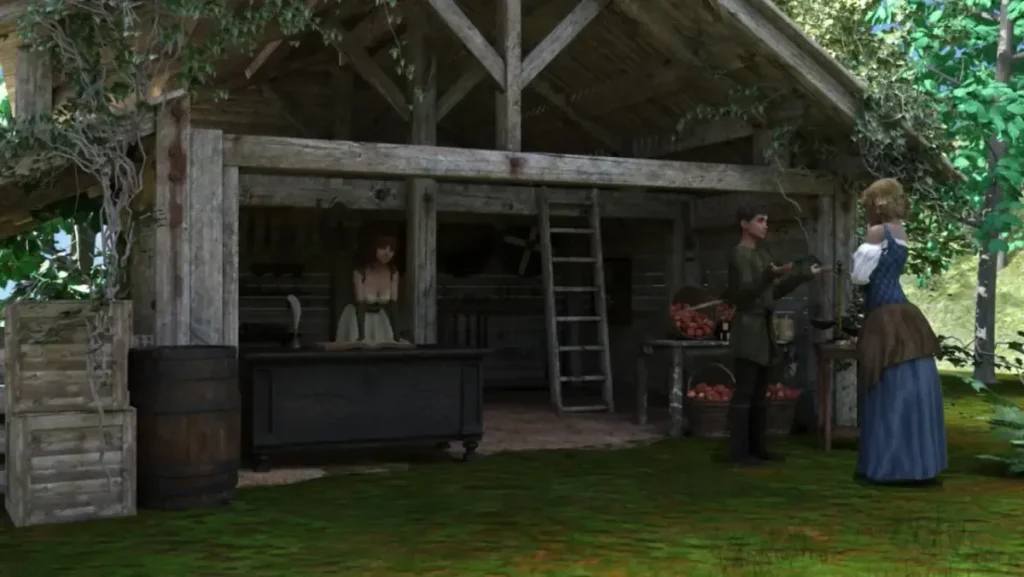
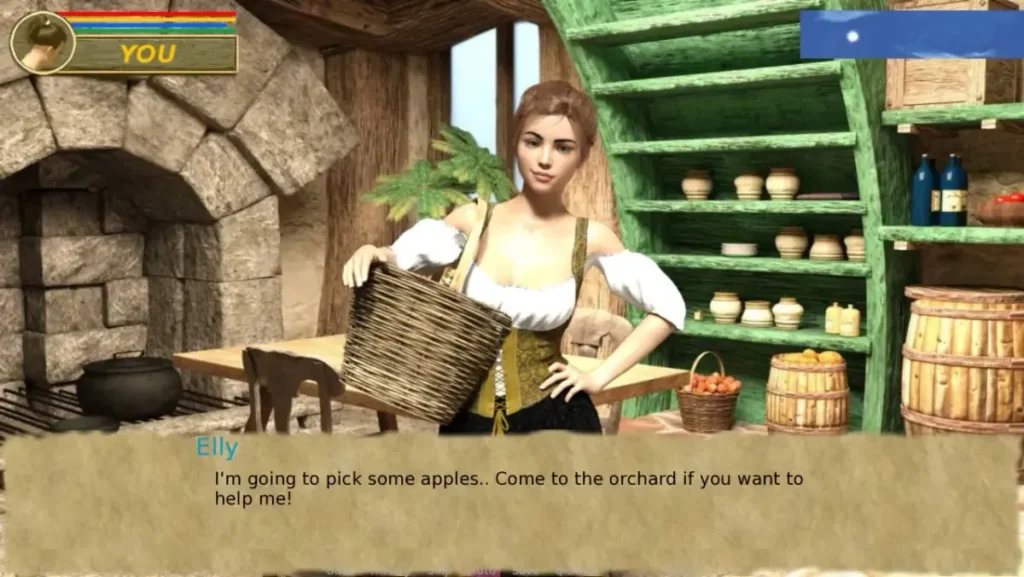
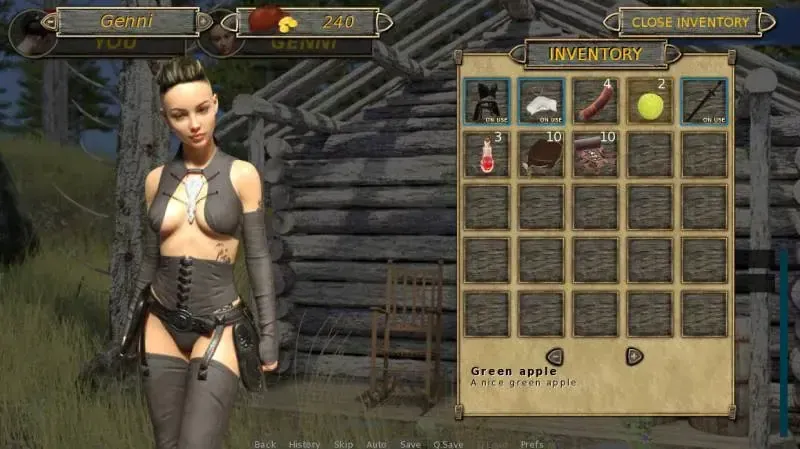
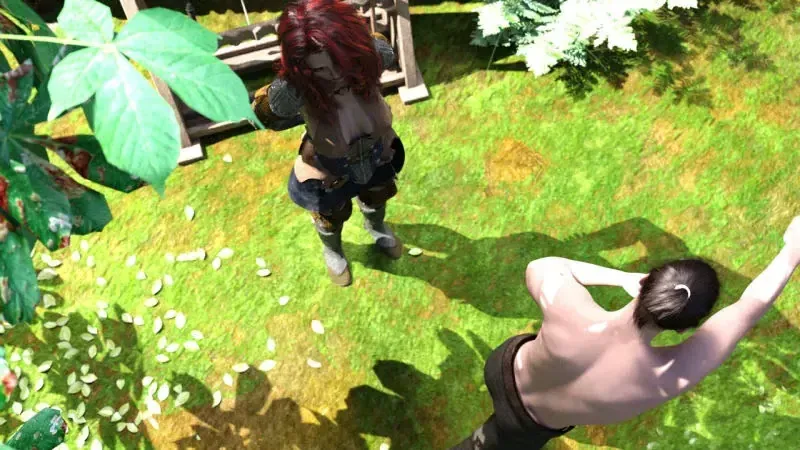
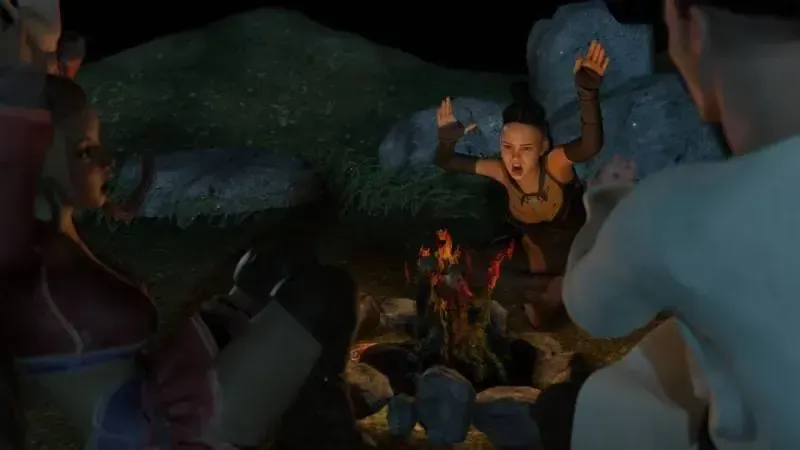
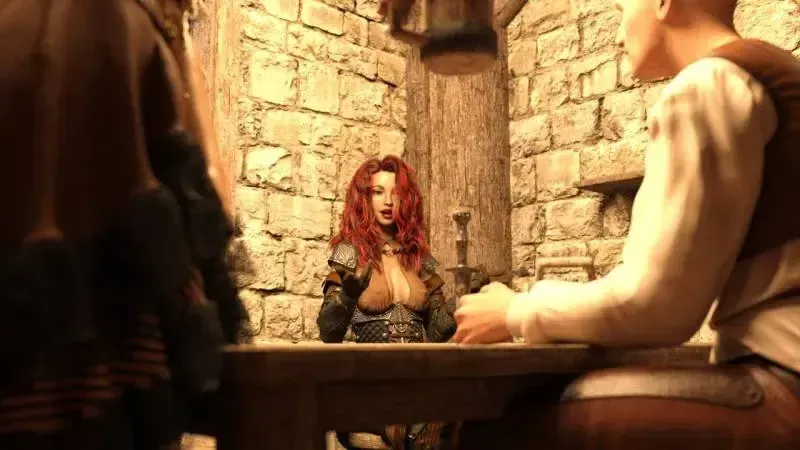
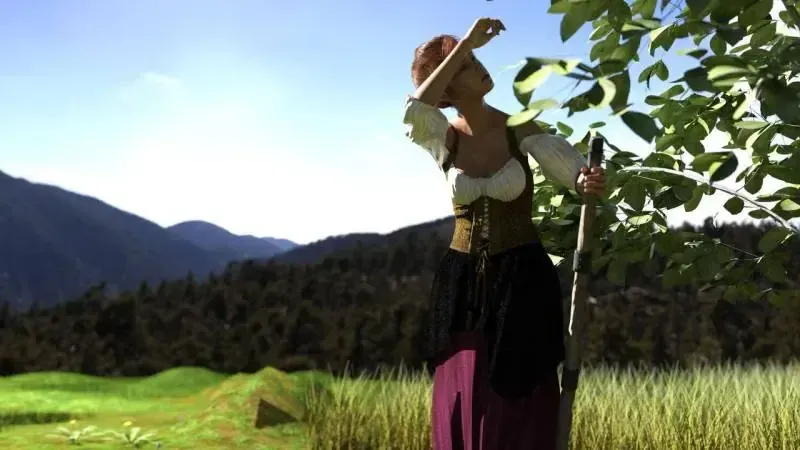
Runaway Princess review
A personal, in‑depth look at the Runaway Princess adult RPG, from story and gameplay to practical tips
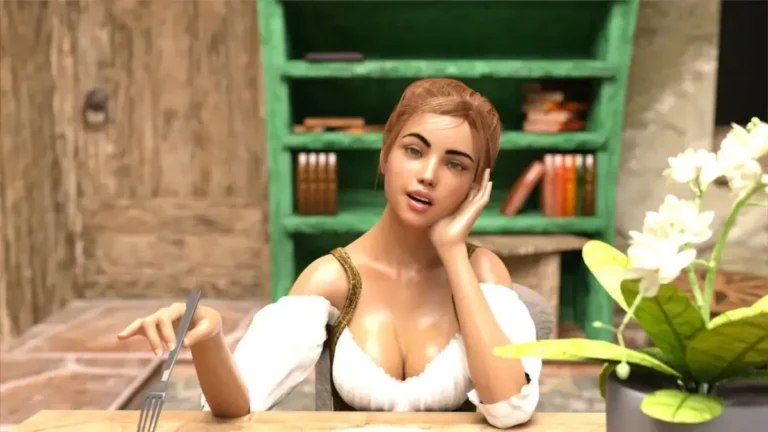
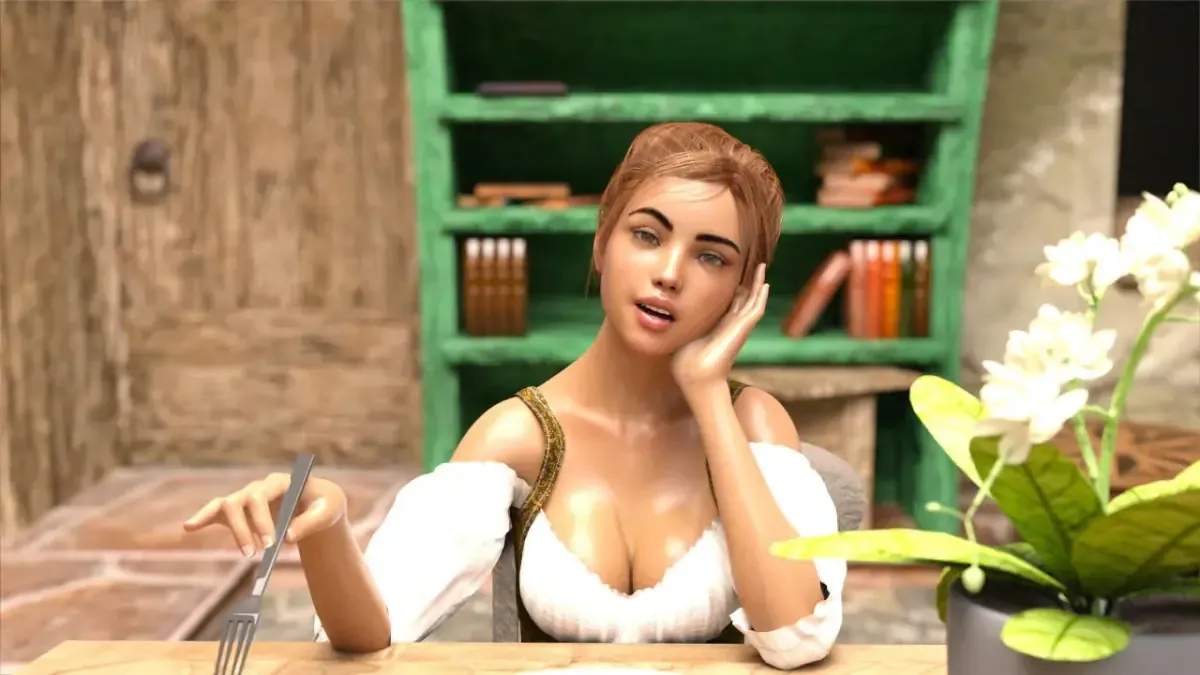
Runaway Princess is an adult 3DCG fantasy RPG that blends farming, management, and relationship-driven storytelling into a surprisingly deep experience. You start as a seemingly ordinary farmer, living a quiet life with Elly and visiting nearby villages, only for a sudden twist to drag you into a much bigger story. In this guide, I’ll walk you through how Runaway Princess actually plays, how its systems connect, and what I learned from my own hours in the fields and villages. Whether you’re wondering if the game is worth downloading or you want practical tips to progress smoothly, this article is written to feel like advice from a friend who has already been there.
What Is Runaway Princess and Why Did It Hook Me?
So, you’ve heard the name and you’re wondering: what is Runaway Princess? 🤔 Let me tell you, it’s not your average RPG. In my first few hours, I went from expecting a simple, cozy life sim to being utterly gripped by a world that felt both wonderfully familiar and thrillingly mysterious. This Runaway Princess overview is my personal take on why this game hooked me from the start and refused to let go.
The short answer? It masterfully blends the quiet satisfaction of routine with the pulse of discovery. It’s a game about a Runaway Princess farmer protagonist, sure, but it’s also about how the most ordinary life can unravel into an extraordinary adventure when you’re paying attention.
Who you play as and how the story of Runaway Princess begins
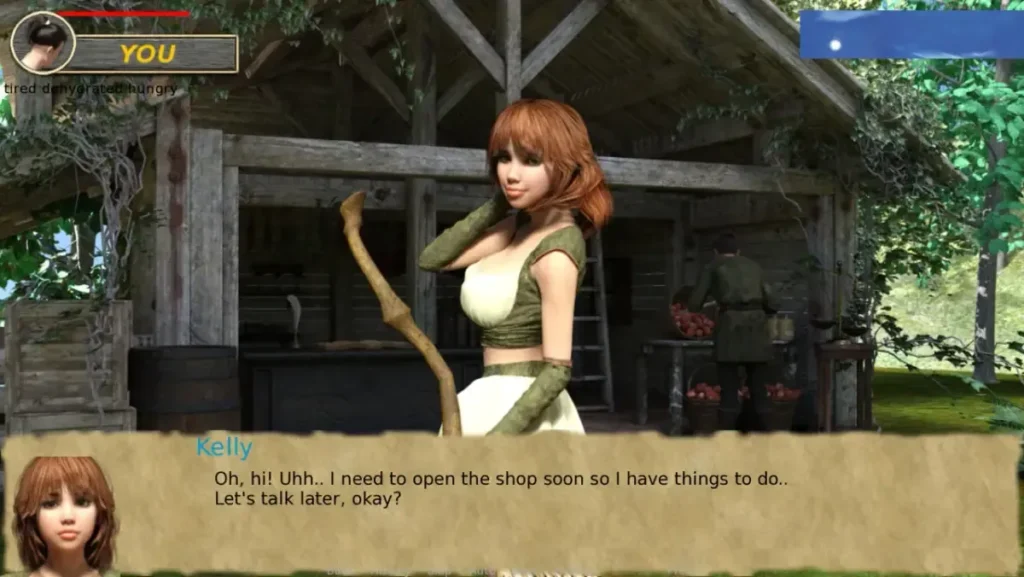
You start with almost nothing—no grand destiny, no epic quest scroll handed to you by a wizened old man. 🧙♂️ You’re just a farmer, living a simple life in a cottage on the outskirts of a peaceful village with a woman named Elly. The opening of the Runaway Princess game story is deliberately, beautifully mundane.
Your “goals” for the first few days are basic: tend to your small plot of land, maybe chop some wood, and introduce yourself to the handful of villagers. The game doesn’t thrust a plot upon you. Instead, it invites you to exist within its rhythms. You wake up, you work, you chat, you sleep. This slow, deliberate start is the foundation of the entire experience. It lets you settle into the role, to feel like you are this person trying to make a life in this corner of the world.
This peaceful Runaway Princess fantasy setting—with its sun-drenched fields, cozy homes, and gentle soundtrack—is your entire world at first. The fantasy isn’t in dragon attacks or flashy magic; it’s in the pastoral ideal. But as anyone who’s played a good RPG knows, peace is just the prelude. After a handful of these quiet, routine days, something happens. I won’t spoil the moment, but a single event acts like a stone dropped into the still pond of your farm life. The ripples quickly spread, pulling you from your isolated homestead into the concerns of the wider region, introducing new characters with their own stakes, and hinting at much larger forces at play.
That’s the brilliant hook of the Runaway Princess narrative. You aren’t a chosen hero arriving to save the day. You’re a neighbor who gets reluctantly, then willingly, pulled into a growing mystery. The stakes become personal because you’ve already built a life there.
How Runaway Princess mixes farm life, fantasy and adult themes
This is where Runaway Princess truly distinguishes itself. It’s a fusion of three distinct genres, and it blends them with surprising grace. Think of it as a three-layer cake: the base is the cozy life-sim, the middle is the engaging fantasy RPG, and the frosting is the integrated adult narrative. 🍰
The farm life isn’t just a backdrop; it’s a core mechanic. Energy management, time of day, and even the seasons matter. You need to earn money, upgrade your tools, and expand your farm. This creates a fantastic gameplay loop where a day might involve watering crops in the morning, exploring a new forest path in the afternoon, and attending a village gathering in the evening.
Then, the fantasy elements seep in. The Runaway Princess fantasy setting expands beyond the idyllic village. You’ll encounter classic RPG locations—dark woods, mysterious ruins, and eventually, places humming with magic and danger. The shift in tone is gradual. One day you’re selling turnips, the next you’re cautiously navigating a dungeon corridor, listening for strange sounds. This contrast makes both sides of the game feel more potent.
Now, for the aspect everyone is curious about: the adult content. This is where most games of this type falter, treating such scenes as disconnected rewards. Runaway Princess does it differently. Here, these encounters are almost always framed as part of a character’s story arc. They grow from built-up trust, shared secrets, moments of vulnerability, or narrative tension. You don’t just “unlock” a scene; you reach a point in a relationship where it becomes a natural, if sometimes surprising, progression.
I remember the exact moment the game shifted for me. It was Day 5. I was heading back from the village, thinking about whether I had enough money for a new watering can, when I stumbled upon a character in clear distress at the edge of the woods. Helping them didn’t trigger a flashy cutscene; it just quietly added a new, urgent thread to my daily routine. My peaceful farmer’s life was officially over, and I was all in.
This approach makes the world feel cohesive and mature in the true sense of the word. The adult themes are part of the world’s fabric, not just stickers placed on top of it. Your choices in dialogue and action genuinely influence which paths open up with different characters, making every interaction feel meaningful.
My first in‑game week: a personal look at the early hours
Let me walk you through my initial stumble into this world. My Runaway Princess early game experience was a mix of blissful ignorance and dawning realization. 🙈
Days 1-3: The Wandering Phase
I treated it like a sandbox. I’d wake up, do a half-hearted job on the farm, and then just… walk. I’d talk to whoever I bumped into, poke around the village, and head to bed early. It was pleasant but shallow. I missed a lot because I wasn’t paying attention to the daily schedules. I didn’t know that the blacksmith was only at his forge in the afternoons, or that a certain villager took walks by the river at dusk. My world felt static because I wasn’t syncing with its clock.
Days 4-5: The “Aha!” Moment
Frustrated by my lack of progress, I actually started observing. I took notes (in-game, not real life… mostly 😅). I realized that characters had patterns. By being at the right place at the right time, I triggered unique snippets of dialogue, small quests, and hints about their personalities. Suddenly, the village wasn’t a set of buildings with NPCs; it was a living community I could learn and engage with. This is the core gameplay loop of relationship-building. You don’t just spam the “talk” button. You learn, you remember, and you show up.
Days 6-7: The Routine and The Rupture
By the end of my first week, I had a fledgling routine. My mornings were for farm chores, my afternoons for specific villagers and resource gathering, and my evenings for exploration or following up on story threads. I felt efficient and connected. Then, the narrative “event” I mentioned earlier occurred. It didn’t invalidate my routine; it layered onto it. Now I had my daily life and a new, compelling reason to explore further and talk to people with more purpose. The game had successfully woven its larger Runaway Princess game story into the fabric of my self-made daily life.
Here’s a simple look at how a productive day started to shape up for me in that first week:
| Time of Day | My Typical Focus | Key Insight |
|---|---|---|
| Morning (6:00 – 12:00) | Farm Chores (Watering, Harvesting), Checking Livestock | Energy is highest here. Perfect for manual labor before the sun gets hot. |
| Afternoon (12:00 – 17:00) | Village Visit, Shopping, Scheduled Character Talks | Most villagers are at their shops or usual spots. Best time for socializing and errands. |
| Evening (17:00 – 22:00) | Exploring, Gathering Resources, Following Story Clues | Some unique character events only happen as the sun sets. The world feels different. |
| Night (22:00+) | Returning Home, Planning, Sleep | Being out too late can have consequences. Rest is crucial to reset energy. |
This personal experience taught me the most important practical tip I can give: Embrace the schedule. The game’s heart beats on its clock. Your reward for paying attention is a world that feels deeply reactive and full of secrets waiting for their specific moment to be revealed.
So, is Runaway Princess worth playing? From this deep dive into its opening and structure, my answer is a resounding yes. ✅ Its strength is in the patient, satisfying burn of its storytelling. The joy comes from watching your simple life—the one you built through careful routine and observation—naturally spiral into something much larger and more thrilling. The Runaway Princess premise works because it makes you invest in the quiet moments, so the loud ones truly resonate. You’re not just playing a story; you’re living a life that becomes an adventure.
What is Runaway Princess about in simple terms?
It’s a fantasy life-simulation RPG where you play as a farmer whose peaceful routine is gradually swept up into a larger regional mystery and character-driven stories. The game blends daily management of your farm and relationships with exploration and a narrative where adult content is woven into evolving character arcs, not presented as isolated goals.
Runaway Princess takes a simple farmer’s life and slowly turns it into a layered fantasy journey packed with character-driven moments and adult encounters that feel earned rather than random. When you respect the daily rhythm, learn everyone’s routines, and lean into both the farm work and exploration, the game rewards you with satisfying discoveries and branching scenes. If you enjoy slow-burn progression, planning your in-game days, and uncovering hidden events through curiosity and patience, Runaway Princess is the kind of title that can quietly pull you in for far longer than you expect. Give it the time to unfold, and you might find yourself as attached to this quiet countryside and its secrets as I did.