Desert Stalker
Play Desert Stalker
Desert Stalker Screenshots




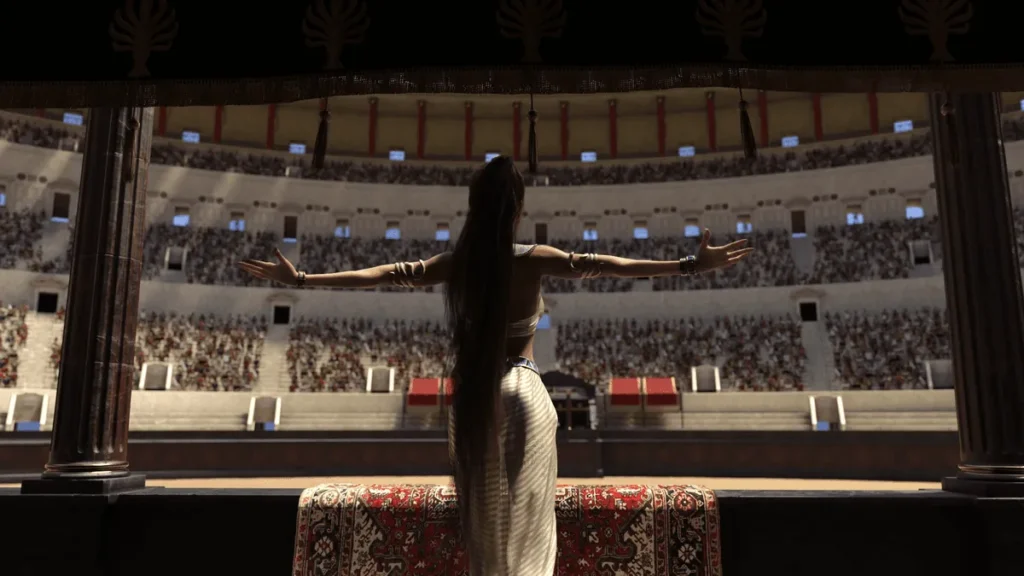
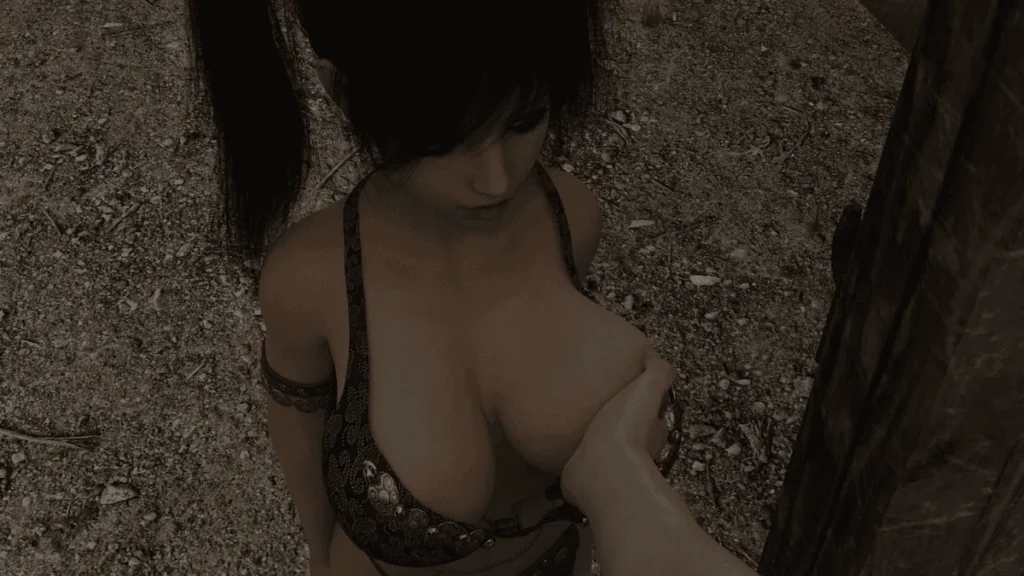
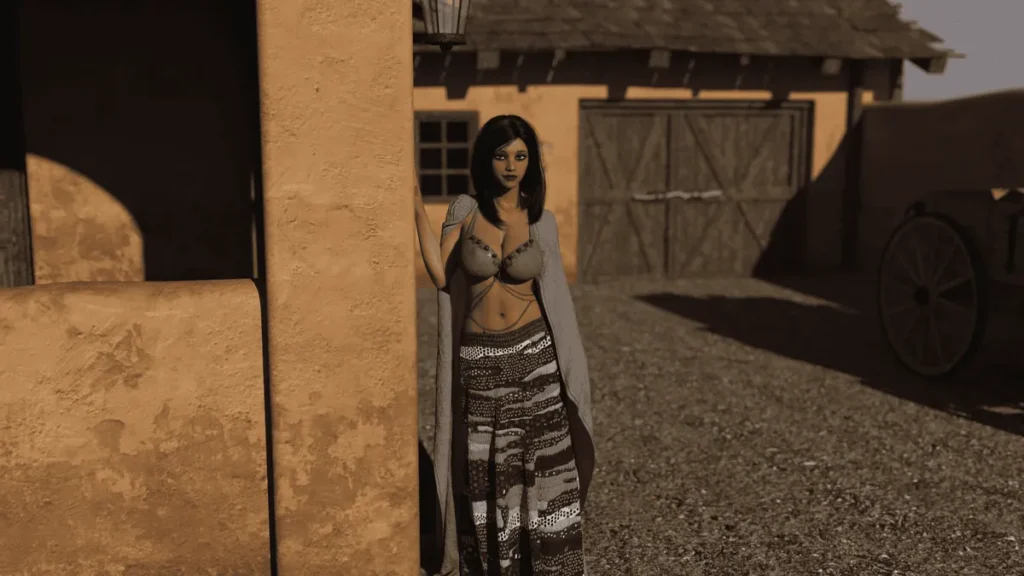

Desert Stalker review
Explore the post-apocalyptic story, gameplay mechanics, and character relationships in this acclaimed narrative-driven experience
Desert Stalker stands out as a richly developed adult visual novel set in a post-apocalyptic Egypt where your decisions genuinely shape the world around you. Unlike typical games in its genre, this title combines compelling storytelling with meaningful player agency, allowing you to navigate complex moral choices while building relationships with diverse characters. Whether you’re drawn to the gritty dystopian atmosphere, the intricate character development, or the freedom to play as either a dominating force or a compassionate leader, Desert Stalker offers a personalized experience that adapts to your playstyle. This guide explores what makes this game a standout in the adult visual novel landscape and how to get the most from your playthrough.
Understanding Desert Stalker: Core Gameplay and Story
So, you’ve heard the buzz about Desert Stalker, downloaded the game, and maybe even started clicking through. But you’re hit with a question that’s both simple and complex: what is this, really? 🤔 It looks stunning, the premise grabs you, but how do you actually play it? If you’re coming from traditional RPGs or even other visual novels, the Desert Stalker gameplay can feel unique. It’s not about grinding levels or mastering complex combat combos. Instead, your most powerful tool is your judgment.
Think of it like this: you’re not just playing a game; you’re directing a movie where you are also the lead actor. Every dialogue choice, every decision to explore a crumbling temple or help a stranger, reshapes the narrative around you. This is the heart of a true story-driven RPG experience. Forget mindless clicking; here, attention is your currency, and observation is your skill. Let’s pull back the sand-covered curtain and explore how this acclaimed post-apocalyptic Egypt game works, from its dusty foundations to the impactful stories it lets you tell.
What is Desert Stalker and How Does It Work?
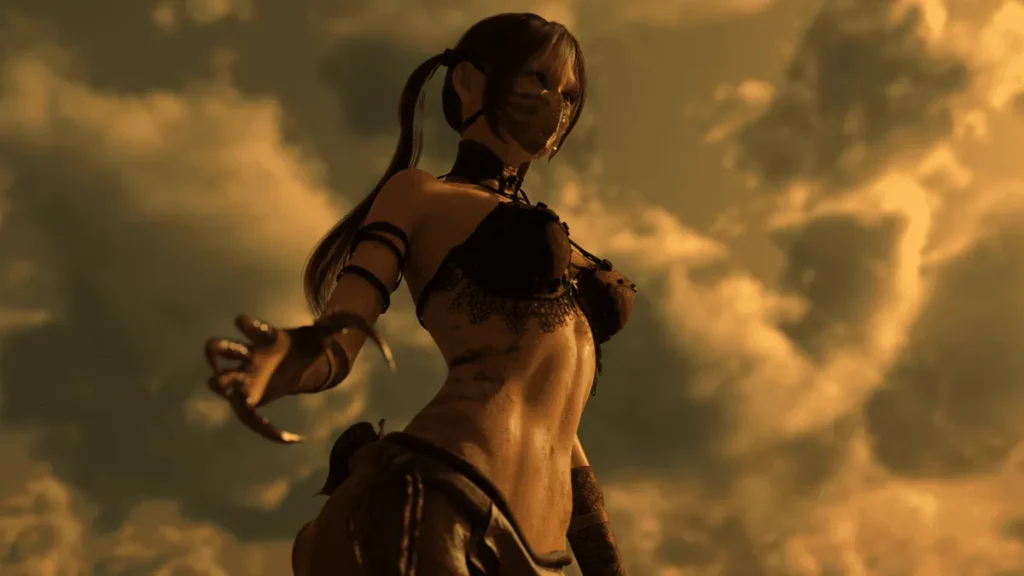
At its core, Desert Stalker is a narrative adventure built on the versatile Ren’Py visual novel engine. But to call it just a “visual novel” feels like calling the Grand Canyon a ditch—technically true but utterly inadequate. It’s a hybrid, masterfully blending choice-driven narrative game mechanics with light exploration and resource management. You step into the worn boots of the Stalker, a scavenger navigating the treacherous wastes of a fallen Egypt, where every shimmer on the horizon could be a life-saving artifact or a deadly mirage.
The Desert Stalker gameplay loop is elegantly structured. You’ll experience:
* Linear Story Beats: Key plot moments play out in classic visual novel style, with gorgeous, high-quality renders (seriously, the art is phenomenal 😍), character dialogue, and crucial choices that push the main story forward.
* Free-Roam Exploration: Between these story segments, you’re often placed on a world map or in your home base. This is where the game opens up. You choose where to go, which leads to pursue, and how to spend your limited time and resources. It creates a fantastic rhythm—tense, directed storytelling followed by contemplative, player-driven exploration.
The interface is clean and intuitive, a testament to a polished Ren’Py visual novel foundation. You navigate through menus to manage your inventory, check your objectives, and see the status of your relationships with key characters. A small tip from my own playthrough: always check your journal after a major event. It often provides subtle hints about character motivations and world lore that you might miss in the moment.
Pro Tip: Don’t rush through dialogue. The game’s superb writing often hides crucial context about a person’s true intentions or the state of the world in seemingly casual lines. Patience is rewarded with deeper immersion.
Now, let’s break down the key pillars of the Desert Stalker gameplay experience:
- The Free-Roam System: Your agency to choose “what’s next.”
- Linear Storytelling: The crafted, cinematic plot that anchors your journey.
- Decision-Making: The high-stakes choices that define your character and world.
- Character & World Customization: Not in stats, but in the narrative state you create through your actions.
This seamless blend is what sets it apart. One moment you’re in a tense, cinematic standoff with a rival scavenger (all linear narrative), and the next, you’re back at your camp, deciding whether to use your hard-earned water to help a sick traveler or to save it for your own journey into the deep desert (free-roam choice). This structure makes you feel like a true architect of your own fate in this shattered world.
The Post-Apocalyptic Egypt Setting and Narrative Framework
Forget generic, gray wastelands. 🏜️ The world of Desert Stalker is a character in itself, and understanding it is key to appreciating the Desert Stalker story explained. We’re not just in a desert; we’re in a future Egypt that has collapsed under an unspecified cataclysm. Ancient pyramids and modern ruins stand side-by-side, all baking under a relentless sun. The lore suggests a past of advanced technology, now lost and buried, making every excavation site a potential treasure trove of knowledge and power.
This post-apocalyptic Egypt game setting does more than provide a pretty backdrop. It fundamentally drives the conflict, the economy, and the morality of your world. Society has shattered into fragments: isolated settlements clinging to old traditions, nomadic raider tribes preying on the weak, and lone scavengers like you, dancing between them all. Resources like clean water, functional technology, and fuel are worth more than gold, and every interaction is tinted by this harsh reality.
The narrative framework is expertly woven into this setting. You aren’t a chosen one destined to save the world; you’re a skilled professional trying to survive and provide for your family. This grounded premise makes your journey intensely personal. The main plot often revolves around high-stakes jobs, political intrigue between the remaining factions, and the mystery of what exactly happened to the old world. But it’s the smaller, personal stories—the settlement struggling with a water thief, the scholar trying to preserve history—that truly build the immersive atmosphere.
The Desert Stalker story explained through its environment is a masterclass in “show, don’t tell.” You learn about the scarcity not from a textbook, but from the desperate look in a merchant’s eyes when you barter a spare filter. You understand the danger not from a warning pop-up, but from the sun-bleached bones marking a failed route through the dunes. This environmental storytelling, combined with direct character interactions, creates a world that feels lived-in, dangerous, and utterly captivating. 🗿
Player Choice Systems and Consequence-Driven Storytelling
This is where Desert Stalker truly shines and elevates itself beyond standard genre fare. Every adult visual novel mechanics discussion must center on its philosophy of meaningful consequence. Your choices aren’t illusions; they are seismic events that reshape the landscape of your game. The system is built on two interconnected pillars: Relationship Points and World State Flags.
Think of it like a web. A major decision in Chapter 2 doesn’t just give you a “good” or “bad” ending prompt in Chapter 10. Instead, it alters how certain characters perceive you, opens or closes entire story branches, and changes the availability of resources and allies. You might choose to show mercy to a defeated foe, only to have them return later as a crucial ally—or betray you, if you didn’t earn their true loyalty.
Let’s look at how choices typically manifest:
| Choice Type | Short-Term Consequence | Long-Term Narrative Impact |
|---|---|---|
| Dialogue Response (Aggressive vs. Compassionate) | Immediate character reaction; gain or lose small trust. | Locks or unlocks future intimate or cooperative scenes; defines your reputation with a faction. |
| Resource Allocation (Keep vs. Share) | Immediate stat change (e.g., more water for yourself). | Determines if a settlement thrives or is abandoned, affecting available services and quests later. |
| Moral Decision (Execute vs. Spare) | Resolves an immediate threat. | Removes or introduces recurring characters; can lead to vengeance plots or unexpected aid. |
| Quest Path Selection | You experience one story branch. | The unchosen path’s events still occur “off-screen,” often with negative outcomes you must later deal with. |
This table barely scratches the surface, but it shows the cascade effect. The adult visual novel mechanics are integrated into this seamlessly. Romantic and intimate developments are treated not as isolated rewards, but as natural progressions of deep, trust-based relationships you’ve cultivated through consistent choices. They require emotional investment, not just completing a task list. This is a game that understands that adult content is most powerful when it’s earned through story and character, not just presented.
The choice-driven narrative game design creates an unparalleled sense of ownership. In my first playthrough, I played the pragmatic, ruthless Stalker. I secured the best loot, but my camp felt lonely, and allies were few. On my second run, I prioritized helping others. The journey was harder, resource-wise, but the finale felt completely different—I wasn’t fighting alone. That’s the magic. The Desident Stalker story explained is never the same twice.
Ultimately, Desident Stalker masterfully uses its adult visual novel mechanics and Ren’Py foundation not for mere titillation, but as tools for deeper narrative immersion. It presents a post-apocalyptic Egypt game world that is harsh, beautiful, and alive with consequence. Your role in this story-driven RPG experience is to navigate its sands with care, because every footprint you leave behind becomes part of the story. Whether you become a ruthless tyrant of the wastes or a beacon of hope in the darkness is entirely in your hands, making each journey through the dunes a uniquely personal and unforgettable tale.
Desert Stalker represents a significant achievement in adult visual novel design, successfully blending mature content with genuine storytelling, character development, and player agency. The game’s post-apocalyptic Egypt setting, combined with its sophisticated choice system and beautifully rendered visuals, creates an immersive experience that appeals to players seeking more than surface-level entertainment. Whether you’re interested in exploring a richly developed narrative, building meaningful relationships with complex characters, or experiencing a world that genuinely responds to your decisions, Desert Stalker delivers on multiple fronts. The community’s consistent praise for its writing quality, emotional depth, and technical polish confirms its standing as a standout title in its genre. If you’re looking for an adult visual novel that respects your intelligence and offers genuine replay value through branching narratives and meaningful choices, Desert Stalker is worth exploring.