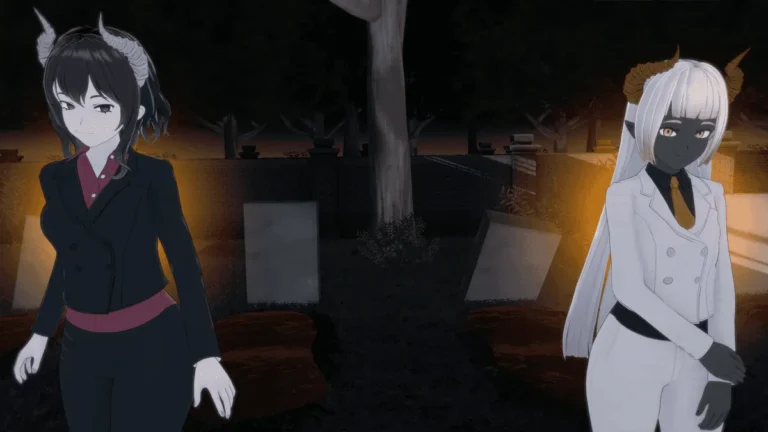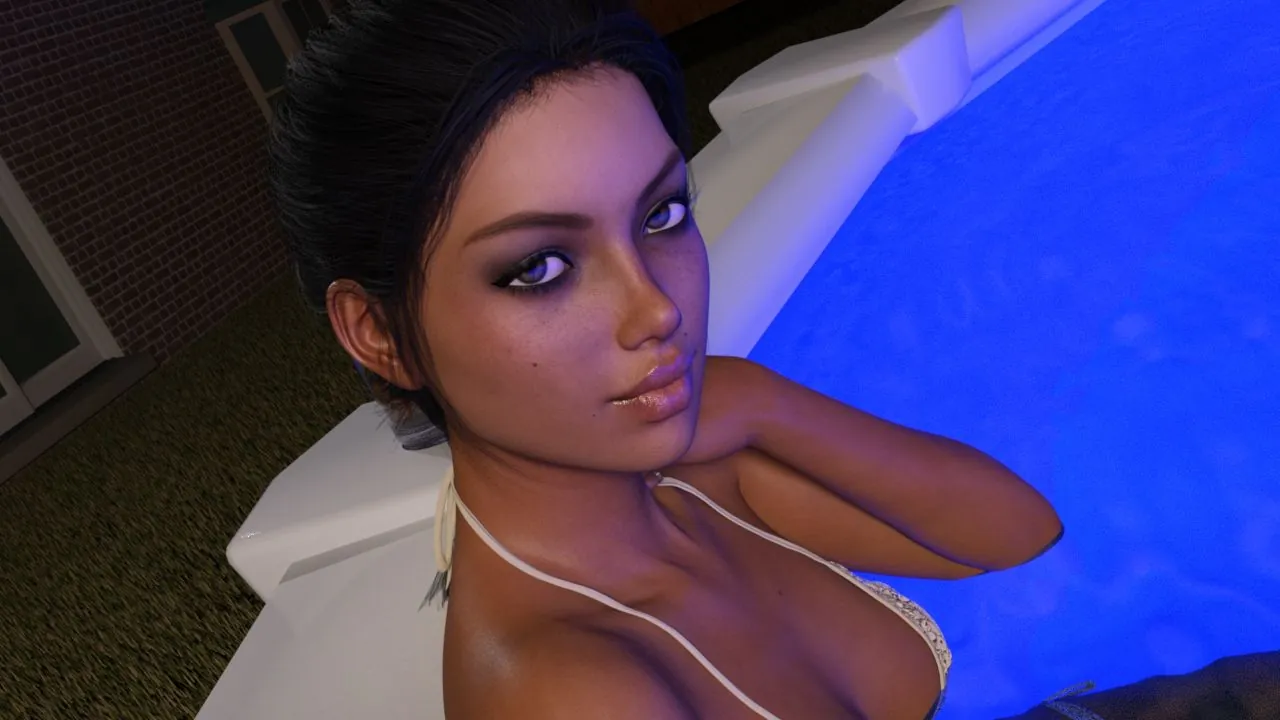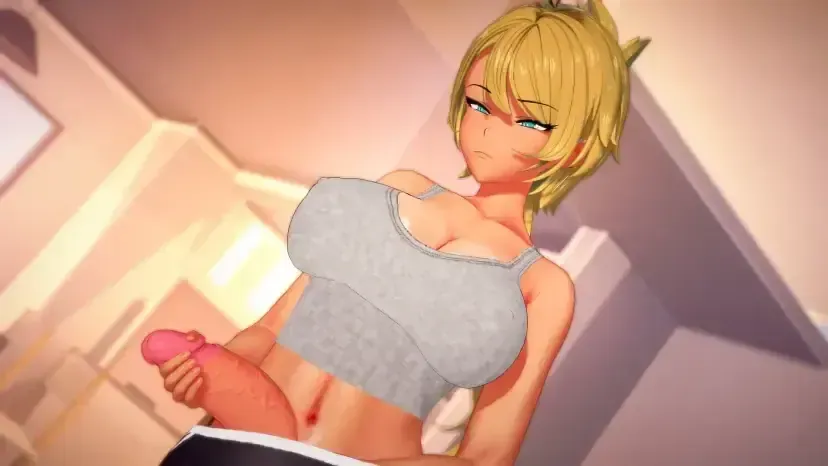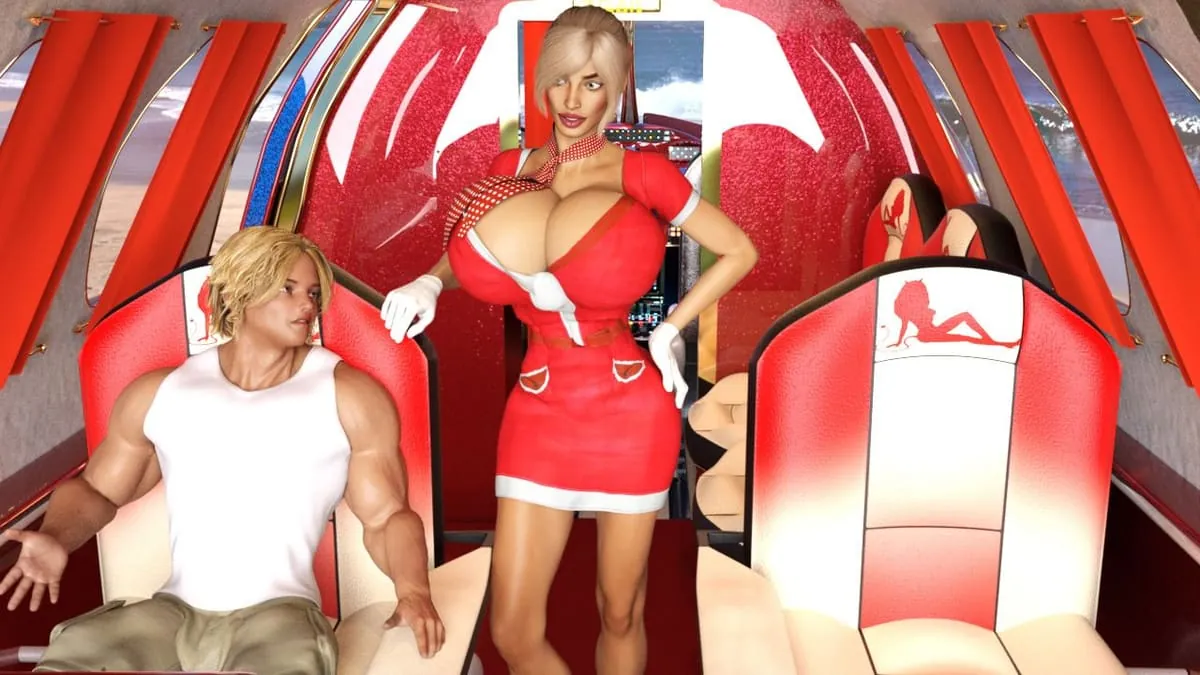
Demons of the Hearth
Play Demons of the Hearth
Demons of the Hearth Screenshots
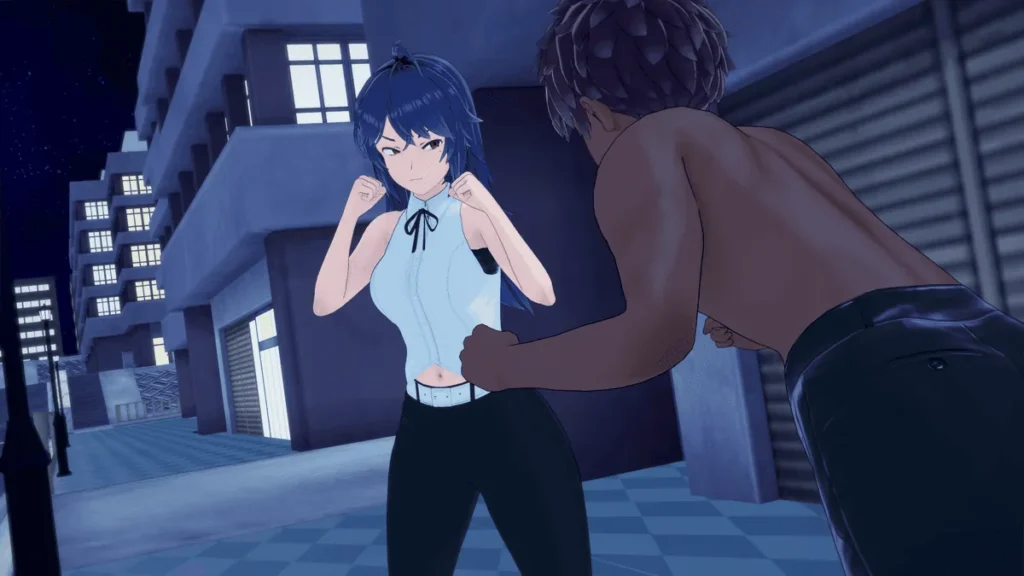
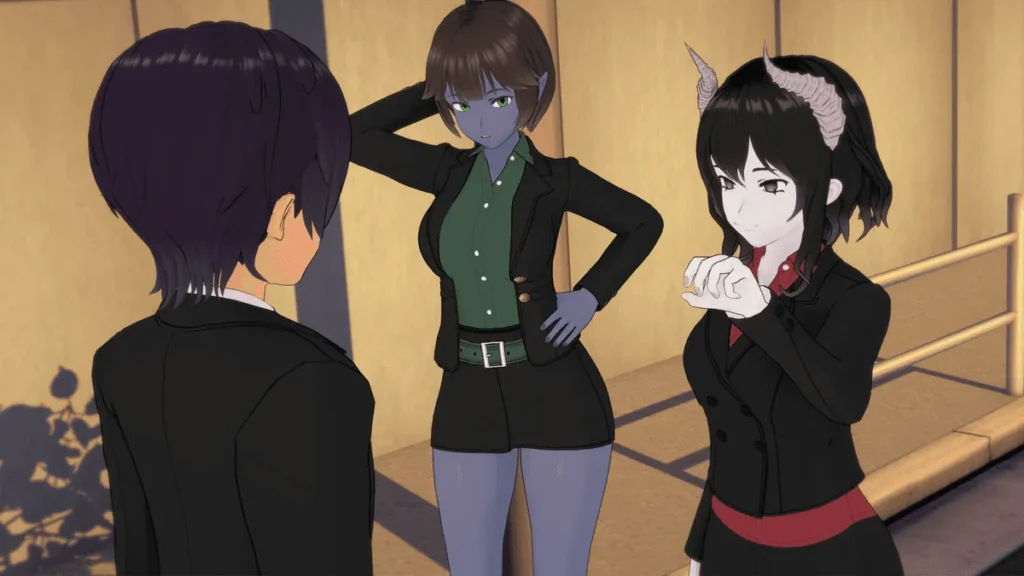
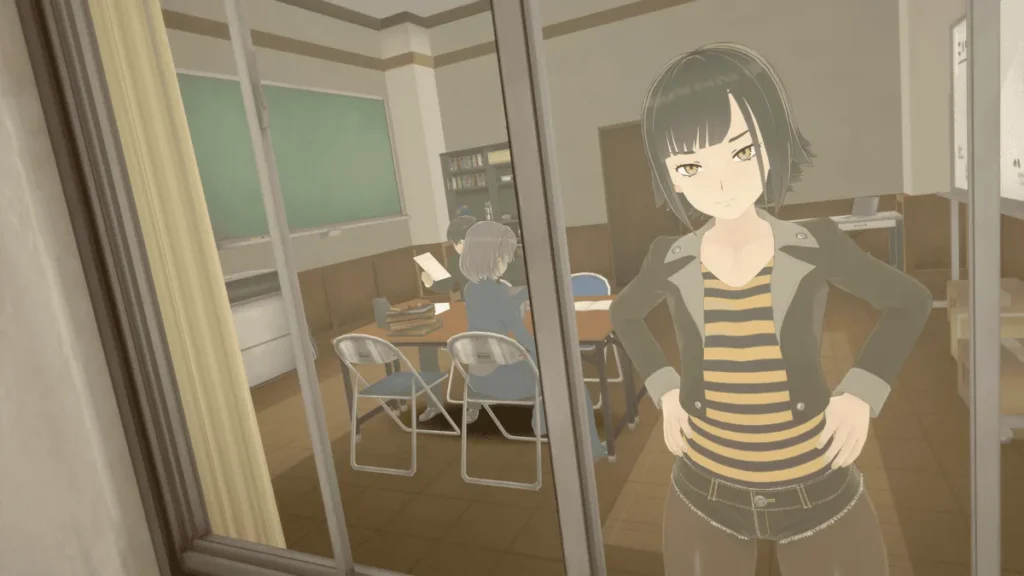

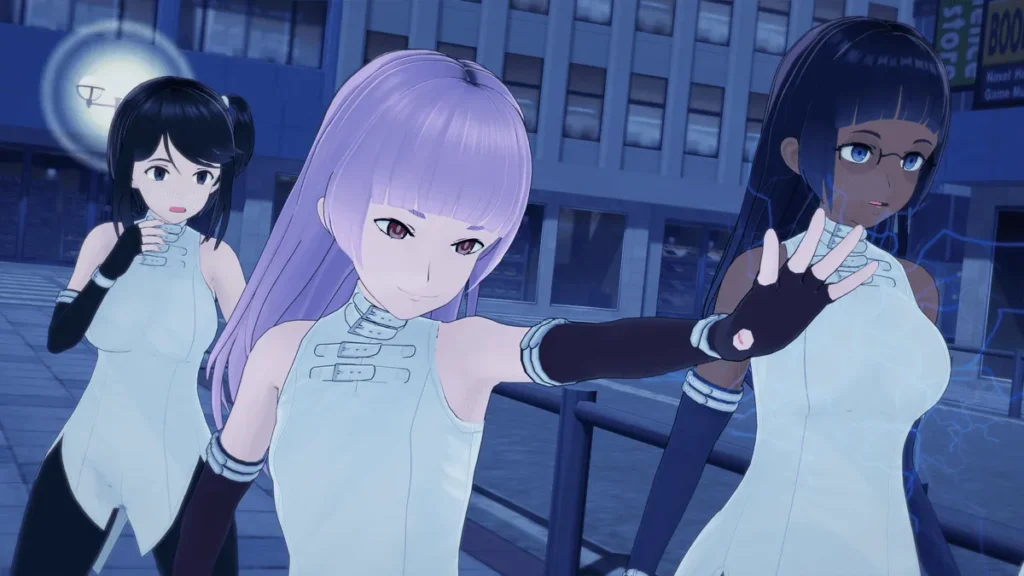
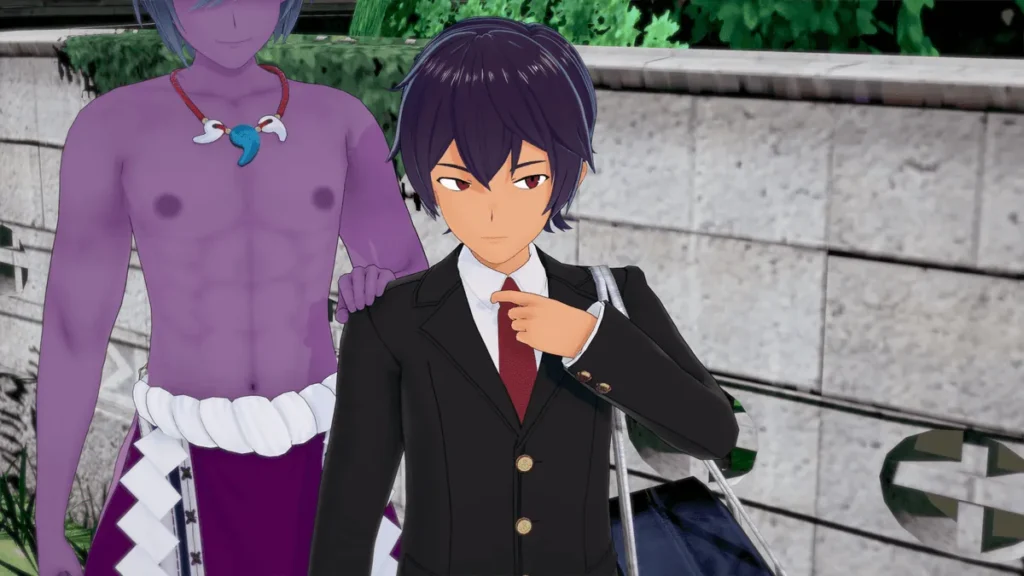

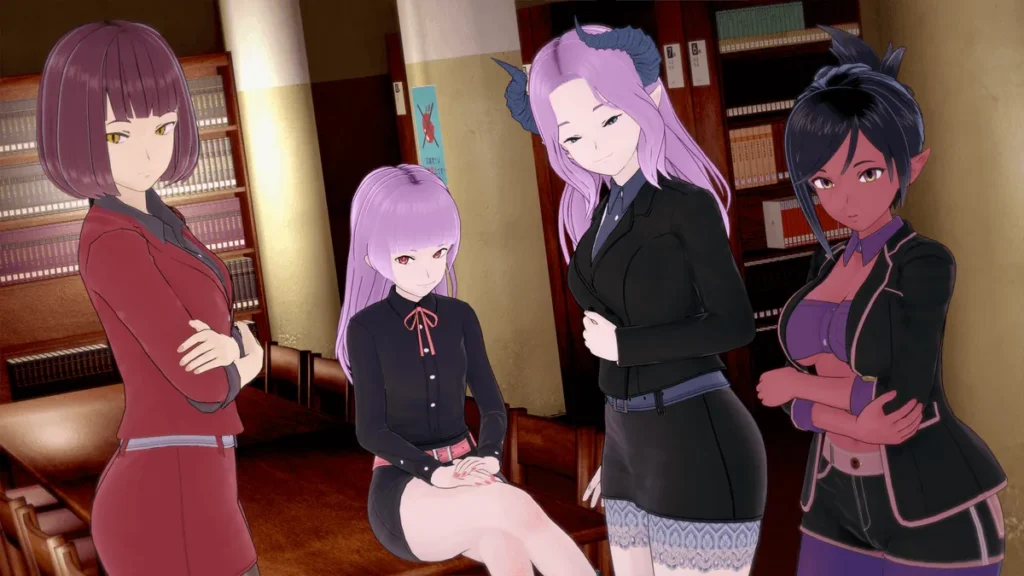
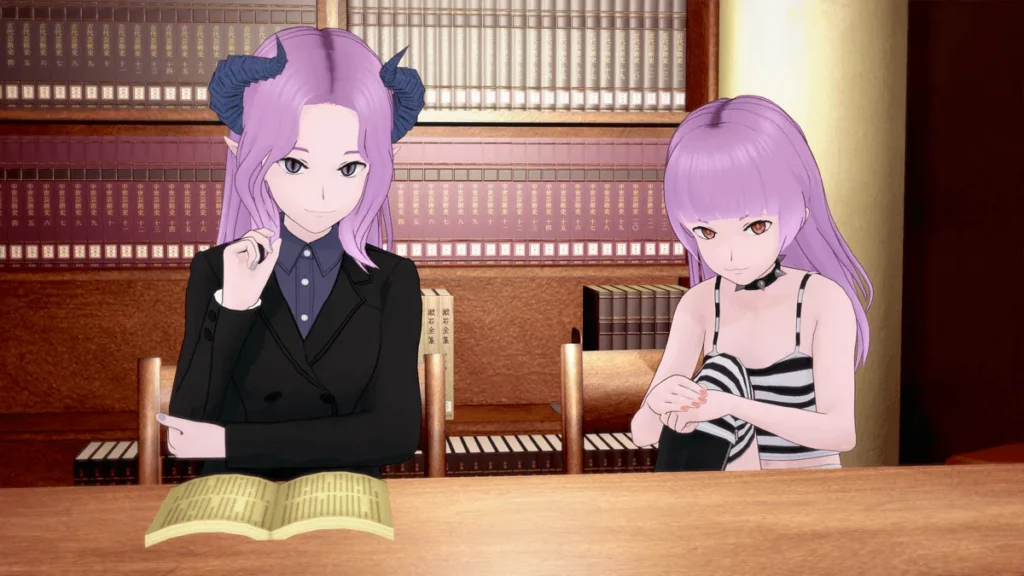
Demons of the Hearth review
Discover the gripping story, stunning characters, and steamy scenes in Konvel’s masterpiece
Ever stumbled upon a visual novel that hooks you from the first scene and refuses to let go? That’s Demons of the Hearth for me—a thrilling adult experience by Konvel that blends edge-of-your-seat storytelling with intimate moments that feel real. I remember downloading it expecting a quick play, but hours later, I was deep in its sandbox world, building trust with captivating characters like Varsha and Mira. This Demons of the Hearth guide dives into its rich narrative, character routes, and progression secrets, helping you unlock every passionate encounter. Whether you’re new or stuck in chapter 2, let’s explore why this stands out in adult visual novels.
What Makes Demons of the Hearth a Must-Play?
I’ll be honest, I almost scrolled right past it. Another adult visual novel with a flashy banner? But something about the title, Demons of the Hearth, made me pause. It sounded less like a cheap thrill and more like a Gothic novel. So, I downloaded it. Big mistake… for my sleep schedule, that is. 🤯 I started one evening, just to “check it out,” and before I knew it, the sun was coming up. I was completely ensnared by a story that felt more like a psychological thriller than a simple game. That’s the magic of Konvel’s creation, and it’s precisely why I’m writing this Konvel game review. This isn’t just another title in your library; it’s a masterclass in immersive, character-driven narrative. Let’s dive into what makes this a must-play.
Why the Story Keeps You Up All Night
The core of Demons of the Hearth isn’t about mindless clicking; it’s about becoming a part of a living, breathing, and deeply tense household. You play as a young man who takes a tutoring job at a remote mansion, only to find yourself entangled with the mysterious and alluring Ilvog sisters and their enigmatic circle. The Demons of the Hearth story unfolds with the precision of a good mystery novel. Every conversation, every shared glance, feels like it holds weight. I remember getting to the first major branch, sweating over a simple dialogue choice because I could feel it altering my connection with a character.
What makes it so gripping? It’s the perfect blend of slow-burn tension and sudden, impactful reveals. The game doesn’t rely on shock value; it earns its moments. You build relationships thread by thread, and when those threads snap—or pull you closer—the emotional payoff is immense. It’s this quality that firmly plants it in the conversation for the best adult visual novel in terms of narrative craft.
Here are the top five reasons the story excels, from my own sleepless experience:
- Character Depth Over Tropes: These aren’t just archetypes. Astrid’s calculated mind games, Kasia’s guarded vulnerability, and Maya’s seemingly innocent curiosity all have layers you must carefully peel back. Your perception of them changes constantly.
- A Tangible Atmosphere: The mansion itself is a character. The soundtrack—a haunting, beautiful score—paired with detailed artwork makes every scene feel visceral. You don’t just see the opulent library or the misty gardens; you feel their mood.
- Your Choices Matter: This isn’t an illusion. Early on, I chose to consistently refuse one character’s manipulative ploys. The game remembered, and whole subsequent chapters adapted, locking me out of her route but deepening others in unexpected ways. The narrative branches feel truly distinct.
- Side Quests with Heart: The optional character events aren’t filler. They’re emotional vignettes that make your heart race or ache. Completing one for a side character gave me more insight into a main heroine than three main story scenes had before.
- Movie-Like Immersion in Later Chapters: Without giving spoilers, the pacing in Chapter 2 and beyond shifts. It feels less like playing a game and more like being in a miniseries where your prior decisions are now hurtling toward consequences.
The genius of Demons of the Hearth is that it makes you care first. The “adult” elements feel like a natural, earned part of the relationships you cultivate, not the sole purpose. It’s storytelling with substance.
Unpacking the Sandbox Mechanics and Progression
Now, you might hear “sandbox” and think of endless grinding or complex resource management. Throw that idea out the window. 🎮 The Demons of the Hearth sandbox mode is elegantly simple and entirely in service of the story. Think of it as your daily life in the mansion, a toolkit for building trust, not a stats spreadsheet.
The cycle is intuitive: you have day and night phases. During the day, you can explore the mansion grounds, visit the girls in their common rooms, or take care of personal tasks. At night, you might find different characters in more private settings, leading to more intimate conversations. Your goal isn’t to raise a “love” meter from 50 to 51. It’s to trigger events. You talk to someone, you help them with something, you share a moment—and bam, you unlock a new story event in your journal.
This is the key advice I wish I’d known: Advance individual character branches before pushing the main story forward. The main plot has natural chokepoints—like a pivotal dinner with the Ilvog sisters—that require certain side events to be completed. I was once “stuck,” wondering why the story wouldn’t progress, until I realized I needed to finish two of Kasia’s personal events first. The game doesn’t hold your hand, but it gives you all the tools.
Speaking of tools, use the information panels! When you look at a main story event in your log, it often lists prerequisites. This is your roadmap. No guesswork, just clear objectives woven into the role-play.
The beauty of this system is that it feels organic. You’re not grinding; you’re living in the world, choosing who to spend your limited time with, and watching the story unfold as a direct result of your attention. The progression through the available Demons of the Hearth chapters (which, as of this writing, go deep into Chapter 4 territory) feels satisfyingly earned.
| Time of Day | Primary Activity | Progression Goal |
|---|---|---|
| Day | Visit girls in common areas (library, lounge, gardens), run errands. | Unlock general conversation events and lighter side stories. |
| Night | Seek out characters in private spaces (bedrooms, balconies, kitchens). | Trigger deeper, more personal conversations and crucial relationship milestones. |
| Any Time | Check the Journal & Event Log. | Review unlocked scenes and see prerequisites for upcoming main story beats. |
Hidden Stats: Shaping Your MC’s Path
Here’s where Demons of the Hearth gets really clever, and why multiple playthroughs feel completely different. While there’s no UI cluttered with numbers, the game is tracking your every move through a web of hidden stats and flags. 🧠 You’re not just choosing “Kind” or “Assertive” dialogue; you’re defining your protagonist’s core personality and how the world perceives him.
These hidden metrics determine far more than which girl you end up with. They influence:
* The overall narrative tone: Will your story be a more romantic journey, a darker psychological exploration, or a tense power struggle?
* Specific scene variations: A conversation with Astrid can go in wildly different directions based on a reputation you’ve built with her subconsciously.
* Access to secret scenes or endings: Some of the most impactful moments are gated behind very specific behavioral patterns.
For example, consistently standing up to manipulation might raise a hidden “Willpower” stat, opening up story branches where your MC takes more control of his destiny. Conversely, playing a more empathetic, nurturing role might unlock comforting scenes with another character that are otherwise inaccessible.
My biggest personal insight? Don’t be afraid to refuse a route. On my first playthrough, I was a people-pleaser, trying to make everyone happy. It led to a muddled, unsatisfying middle ground. On my second, I role-played a skeptic who deeply distrusted Astrid’s mind games from the start. I actively avoided her triggers and chose dismissive options. The game acknowledged this! It closed her path down early but made my relationships with other characters much more intense and rewarding. It felt like a truly different story.
So, how do you manage what you can’t see? You role-play. Decide who your MC is before you start, and make choices that align with that vision. The game’s branching is robust enough to support it. Want a brooding, cautious tutor? Make him one. Want someone who dives headfirst into the mansion’s mysteries? Do it. The Demons of the Hearth visual novel experience will mold itself around your choices in astonishingly detailed ways.
Pro Tip: If you’re aiming for a specific character’s climax, focus your exclusive attention on them. The hidden relationship thresholds are often exclusive. Diluting your time can lock you into a general or non-romantic path.
This level of depth in worldbuilding and character simulation is why I find Demons of the Hearth so underrated. It respects your intelligence and rewards your investment. The combination of a riveting plot, a player-friendly sandbox, and profound hidden depth creates an experience that lingers long after you close the game.
To wrap up this part of our guide, let’s tackle a few common questions that pop up during play.
FAQ: Common Demons of the Hearth Progression Questions
Q: I’m in the sandbox mode, but nothing seems to be happening. What am I doing wrong?
A: You’re likely not meeting specific event prerequisites. Open your Journal and click on the next main story event you’re trying to unlock. It will list the required side events (e.g., “Kasia Event 2,” “Maya Event 3”). Your goal is to find and trigger those specific side events by interacting with those characters in the correct locations, often at a specific time of day.
Q: How long do I have to wait between story chapters in sandbox mode?
A: There’s no arbitrary waiting timer. The pacing is controlled entirely by you. Once you complete the required side events for a main story chokepoint (like the dinner), it will immediately become available. The “waiting” is just the time it takes you to seek out and complete those character-specific goals.
Q: Can I romance multiple characters at once in one playthrough?
A: While you can build relationships with everyone to a point, the deep, culminating romantic paths are typically exclusive due to hidden relationship values. Pursuing multiple heroines with equal intensity often leads to a non-romantic or generalized story outcome. The game encourages focused, meaningful connections.
In my opinion, Demons of the Hearth sets a new bar for storytelling within the adult visual novel genre. It’s a gripping, beautiful, and intelligently designed experience that proves these games can be as profound as they are thrilling. If you’re looking for a world to get lost in, where your choices echo through a stunning narrative, your search ends here.
Demons of the Hearth isn’t just another visual novel—it’s a thrilling ride of deep characters, smart progression, and moments that linger long after. From building trust with Varsha and Mira to navigating those heart-pounding side quests, I’ve poured hours into it and keep coming back for more. If you’re craving a story that mixes suspense with passion, dive in today. Download from itch.io, experiment with choices, and share your favorite routes in the comments—what’s your go-to character? Your next obsession awaits.