
Culture Shock
Play Culture Shock
Culture Shock Screenshots






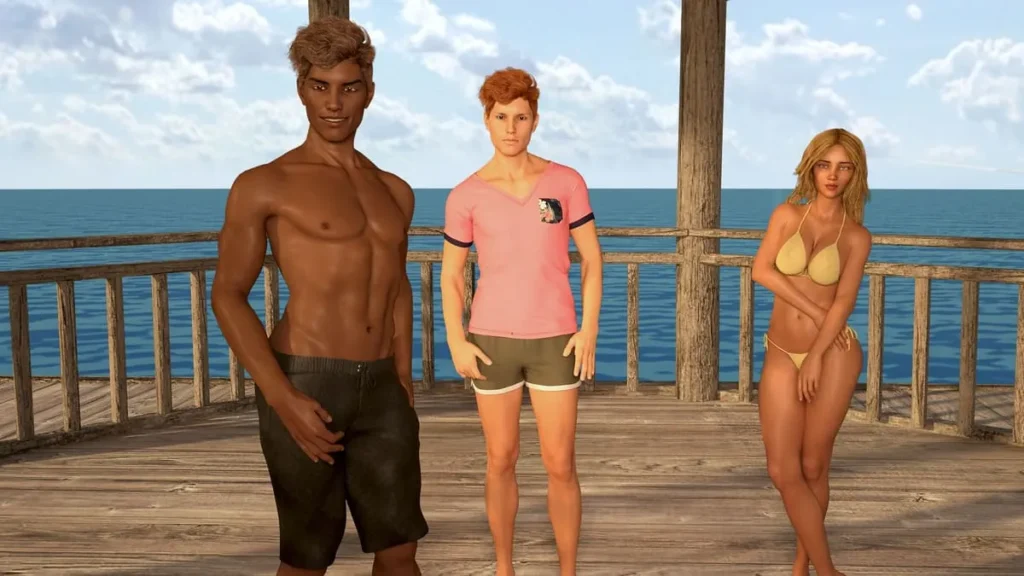



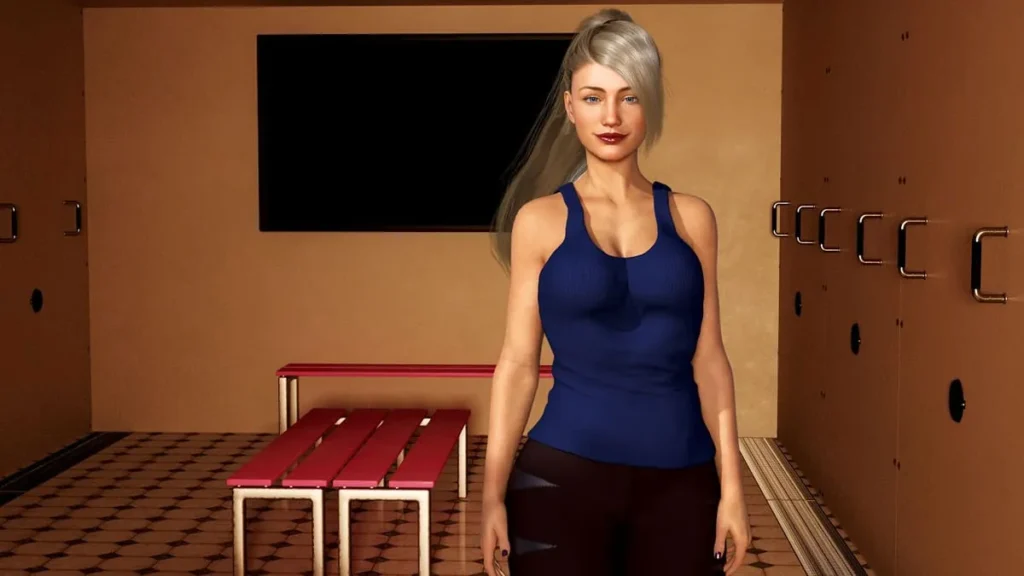



Culture Shock review
An In-Depth Look at the Narrative and Gameplay of Culture Shock
Culture Shock is a distinctive interactive game that combines narrative depth with engaging gameplay elements, offering players a unique experience unlike typical visual novels or interactive stories. This article dives into the game’s core features, storytelling approach, and what makes Culture Shock stand out in its genre. Whether you’re curious about its characters, gameplay style, or overall impact, this guide will provide a comprehensive overview.
Understanding Culture Shock: Storyline and Themes
Ever download a game expecting a bit of fun and end up with an experience that sticks with you for weeks? 😲 That was my exact journey with Culture Shock. I booted it up thinking I was in for a neat puzzle-adventure, but what I found was a deeply human story that completely redefined what an interactive narrative can achieve. This isn’t just a game you play; it’s a story you live, breathe, and help shape.
At its heart, Culture Shock is an exploration of empathy, belonging, and the invisible walls we build between ourselves and others. Let’s pull back the curtain on what makes its story so profoundly moving. ✨
What is the core narrative of Culture Shock?
The Culture Shock game storyline is deceptively simple on the surface. You step into the shoes of a character who is abruptly transplanted from their familiar, comfortable world into a vibrant, chaotic, and utterly alien city. You are the outsider, the newcomer trying to navigate a society with different rules, languages, customs, and even a different sense of time. 🗺️
But the genius lies in the details. This isn’t just about learning to order food or use public transport. The core narrative of Culture Shock is an internal one. It’s about the slow, often painful, but ultimately beautiful process of building bridges. Your goal isn’t to conquer or change this new culture, but to understand it. The plot unfolds through a series of seemingly mundane yet deeply significant interactions: helping a local shopkeeper, participating in a festival you don’t understand, or simply sharing a silent moment of confusion with another character who feels just as lost as you do.
The game narrative depth comes from this focus on micro-connections rather than epic battles. The central conflict isn’t against a villain, but against misunderstanding, prejudice, and your own instinct to retreat into what’s familiar. Every small choice you make—a gesture of help, a patient observation, or a frustrated withdrawal—feeds into a personal narrative about your character’s emotional journey. You’re not just advancing a plot; you’re crafting a personal story of adaptation.
How does the game explore cultural and emotional themes?
Culture Shock is a masterclass in weaving theme directly into its interactive fabric. The emotional themes in Culture Shock—loneliness, frustration, curiosity, joy, and connection—are not things the game tells you about. They are things you feel through play. 🎭
One moment you might feel a pang of genuine isolation in a crowded market where no one speaks your language. The next, you might feel a surge of warmth when a character uses the few words you’ve taught them. The game explores culture not as a monolith to be studied, but as a lived, breathing experience full of contradictions and kindness. It tackles:
* The Weight of Miscommunication: A simple wrong gesture can close a door, literally and figuratively.
* The Joy of Small Victories: Successfully completing a basic task becomes a monumental triumph.
* The Spectrum of Belonging: It asks, can you ever truly “belong,” or is finding your own unique place within the difference the real goal?
This exploration is powered by the brilliant Culture Shock characters. They are not quest-givers or tools for your progression. They are individuals with their own lives, biases, and stories. Getting to know them—earning their trust through actions, not just words—is the primary vehicle for understanding the world. A gruff street artist, a hurried parent, a nostalgic elder; each one is a window into a different facet of the culture, and your relationships with them form the emotional backbone of your entire experience.
What makes the storytelling in Culture Shock unique?
Forget cutscenes and pages of dialogue. The unique storytelling in Culture Shock is its commitment to making the narrative 100% interactive. The story is the gameplay. Your exploration is the plot. This interactive narrative Culture Shock design means you are never a passive observer.
The game uses environmental storytelling to an incredible degree. A faded mural tells a history lesson. The changing layout of a neighborhood square reflects the time of day and local rituals. You piece together the lore and emotional stakes by being present and paying attention. Furthermore, your choices are rarely “good vs. evil.” They are “observe vs. engage,” “help vs. pass by,” or “persist vs. retreat.” These subtle decisions directly influence which aspects of the world and its people open up to you, creating a deeply immersive story Culture Shock that feels uniquely yours.
I’ll never forget one quiet evening in the game. I’d had a frustrating day of failed interactions and was about to log off. I decided to just sit my character on a bench overlooking the city’s canals. Another character, one I’d briefly helped earlier, sat down beside me. We didn’t exchange words—we couldn’t. We just shared the view as the virtual sun set. In that moment, the game conveyed a sense of peaceful, wordless camaraderie that a thousand lines of scripted dialogue couldn’t match. That’s the magic of its storytelling.
This approach creates an unparalleled sense of presence. You’re not guiding an avatar through a story; you are that person, feeling that Culture Shock. To highlight what sets it apart, let’s look at its narrative mechanics:
| Traditional Story Game | Culture Shock’s Approach |
|---|---|
| Story is delivered through cutscenes and dialogue trees. | Story is discovered through exploration, observation, and non-verbal interaction. |
| Characters often exist to serve the player’s quest. | Characters have independent lives; the “quest” is understanding them. |
| Emotional payoff comes from plot twists and climaxes. | Emotional payoff comes from personal breakthroughs in understanding and connection. |
| The world is a backdrop for the narrative. | The world is the primary narrator, rich with hidden detail and story. |
This is why the Culture Shock game storyline resonates so deeply. It trusts you, the player, to be an active, sensitive participant in its world. It doesn’t hand you a map to its emotional core; it gives you the tools to draw your own. And in doing so, it creates a quiet, powerful, and unforgettable narrative journey that stays with you long after you’ve put the controller down. 💖
Culture Shock offers a compelling blend of narrative depth and interactive gameplay that sets it apart from other games in its category. Its unique storytelling, engaging player choices, and immersive audiovisual design create a memorable experience that resonates with players. Whether you are drawn to its emotional themes or its gameplay mechanics, Culture Shock provides a rich, interactive journey worth exploring. Dive in and discover how this game challenges and captivates its audience.