AURA: Hentai Cards Screenshots




AURA: Hentai Cards review
In-depth walkthrough, strategies, and insider tips for AURA: Hentai Cards
AURA: Hentai Cards is a card-driven role-playing title that blends deckbuilding with tactical encounters, character progression, and collectible elements, and this guide dives into everything players need to get the most from it. In this article I’ll share hands-on experience, practical strategies, and step-by-step advice to improve your runs, craft better decks, and explore customization options. Whether you’re new to the game or returning after an update, the following walkthrough and tips are rooted in first-hand play and community-tested approaches to help you enjoy AURA: Hentai Cards more efficiently.
Core Gameplay and Mechanics of AURA: Hentai Cards
Mastering AURA: Hentai Cards starts with understanding its heart: a deceptively deep card game wrapped in a captivating adventure. 🎴 If you’ve ever felt overwhelmed by your hand or wondered why a seemingly powerful deck fell apart, you’re in the right place. I remember my first few runs, stumbling through battles and making event choices that haunted me later! This guide will break down the core systems, from the flow of combat to the nuances of deckbuilding, giving you the foundation to craft winning strategies and make choices with confidence. Let’s dive into the mechanics that make this game tick.
How the card combat works
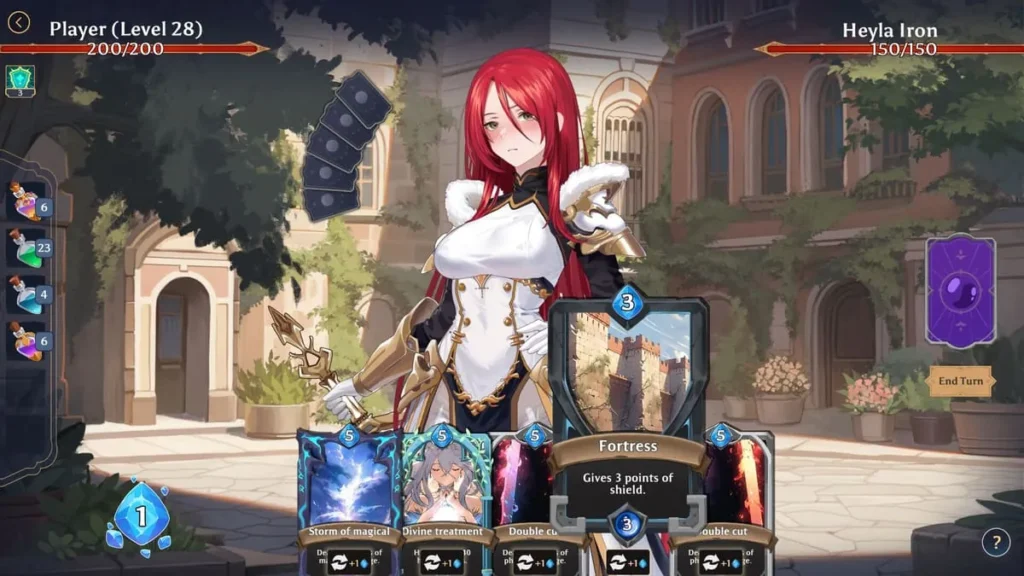
At its core, AURA: Hentai Cards combat is a strategic, turn-based duel. Each turn, you draw a set number of cards from your personal deck and generate a pool of Mana (or a similar resource, often called Energy). Your goal is to reduce your opponent’s health to zero while managing your own defenses. The flow is intuitive but packed with strategic depth.
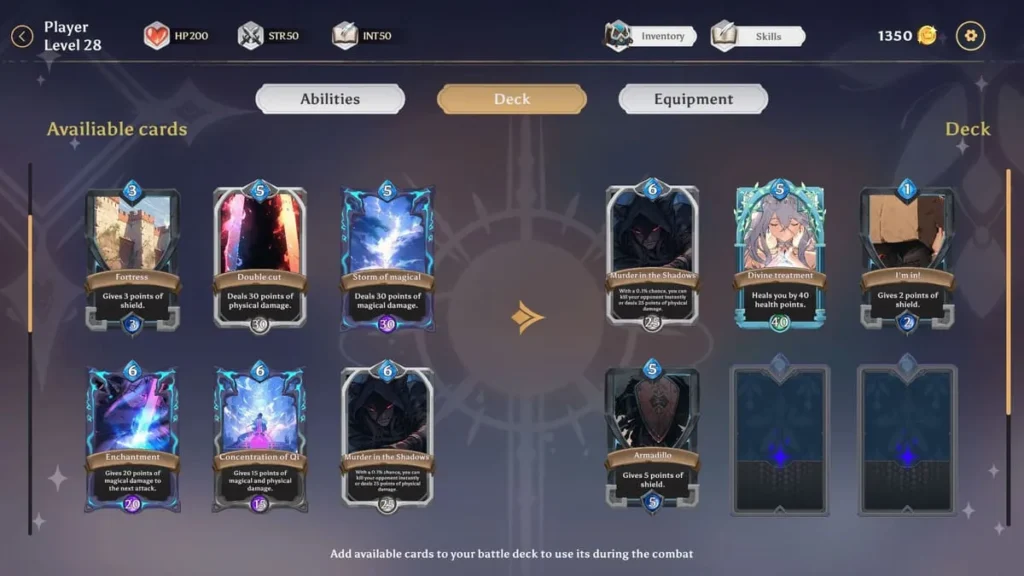
You begin each combat with a fresh hand. A key card mechanic is the discard and draw phase at the end of your turn—unused cards typically don’t carry over, so you’re incentivized to play efficiently. Cards come in several fundamental types, each with a specific role in your strategy. Understanding these is your first step to mastery.
| Card Type | Typical Cost | Primary Use & Tips |
|---|---|---|
| Attack | Low to Medium | Your main damage source. Prioritize cards that offer bonus effects like applying Vulnerable or drawing a card. |
| Defense | Low | Grants Shield (temporary HP) or blocks incoming damage. Crucial for surviving big enemy turns. |
| Utility/Skill | Variable | Provides buffs, debuffs, or alters game rules (e.g., draw more cards, generate extra Mana). These enable your combos. |
| Power | High | Often applies a persistent effect for the rest of combat. Play these early to maximize their value! |
Status effects are king in this AURA: Hentai Cards combat environment. Applying Stun can skip a deadly enemy turn, while stacking Vulnerable makes your attacks hit harder. Conversely, managing negative effects like Poison on your own character is vital. Many cards have triggered abilities—phrases like “When you gain Shield…” or “If the target has a debuff…”—so building your deck around these conditionals is where the real magic happens.
Here’s a piece of actionable advice from a hard-learned lesson: don’t just play your highest-cost card every turn. A successful turn often looks like this: play a low-cost Utility card to draw more options, use a Defense card to mitigate incoming damage, then finish with a medium-cost Attack that benefits from the setup. I once lost a run to a simple enemy because I burned all my Mana on a flashy, expensive attack and had no way to block their counter-hit. 😅
Pro Tip: Always keep at least one low-cost Defense or Utility card in your hand as a “panic button.” You never know when the enemy will pull out a massive attack you need to weather.
Character classes, abilities, and progression
Your choice of character defines your entire journey. Each class in AURA: Hentai Cards isn’t just a different skin; it’s a unique set of classes and abilities that encourages a distinct playstyle and deckbuilding approach. At launch, you’ll typically have access to a few core archetypes.
Let’s break them down:
* The Bruiser (Warrior Archetype): 🛡️ This class excels at high health and direct damage. Their abilities often revolve around gaining Strength (increasing attack damage) or dealing damage proportional to their defense. My recommended opening build focuses on solid Attack cards and cards that grant Barrier to survive while you build up your power. Look for synergies with the “Fortify” keyword.
* The Trickster (Rogue Archetype): 🃏 This is all about agility, combo chains, and applying debuffs. You’ll find cards that give you extra draws for playing multiple cards in a turn, or that apply stacks of Poison or Bleed. The playstyle is faster and riskier—you’re often trading defense for explosive offensive turns.
* The Arcanist (Mage Archetype): ✨ A master of spells and card mechanics that manipulate energy and draw. This class might have abilities that reduce the cost of certain cards or that deal damage based on how many spells you’ve cast this combat. Managing your hand size and Mana generation is key here.
Progression happens on two tracks: during a run and across runs. During a run, you gain XP from battles and events, leveling up your character. Each level-up usually presents a choice—often between upgrading a core ability, unlocking a new passive trait, or improving your starting stats. These choices are permanent for that run and dramatically shape your power curve.
Across runs, you’ll likely unlock global perks, new starting cards for your classes, or even additional character classes and abilities. This meta-progression ensures that even a failed run contributes to your overall strength, making each attempt a little easier or opening up new strategic avenues.
Resources, shops, and event choices guide
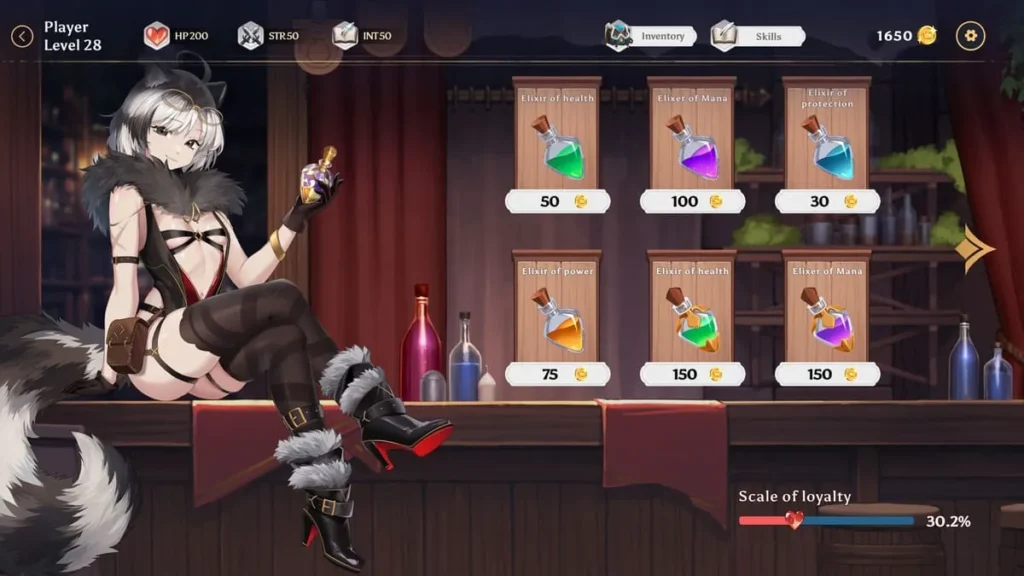
The path between battles is where many runs are won or lost. Your resource management and event choices guide your strategic flexibility. The primary resource is Gold, earned from winning combats, completing events, and sometimes as a reward for taking risks.
Shops are your best friend for targeted deckbuilding tips. Here, you can:
* Purchase new cards to add to your deck.
* Remove cards from your deck to increase consistency.
* Buy powerful consumables (like potions that heal or grant a one-time effect).
* Occasionally, acquire or upgrade equipment that provides persistent bonuses.
My golden rule for shops: Prioritize removal over addition early on. Your starter deck has filler cards. Removing one or two weak cards is often more powerful than adding a single good one, as it increases the chance you draw your best cards every combat. This is a cornerstone of effective deckbuilding tips.
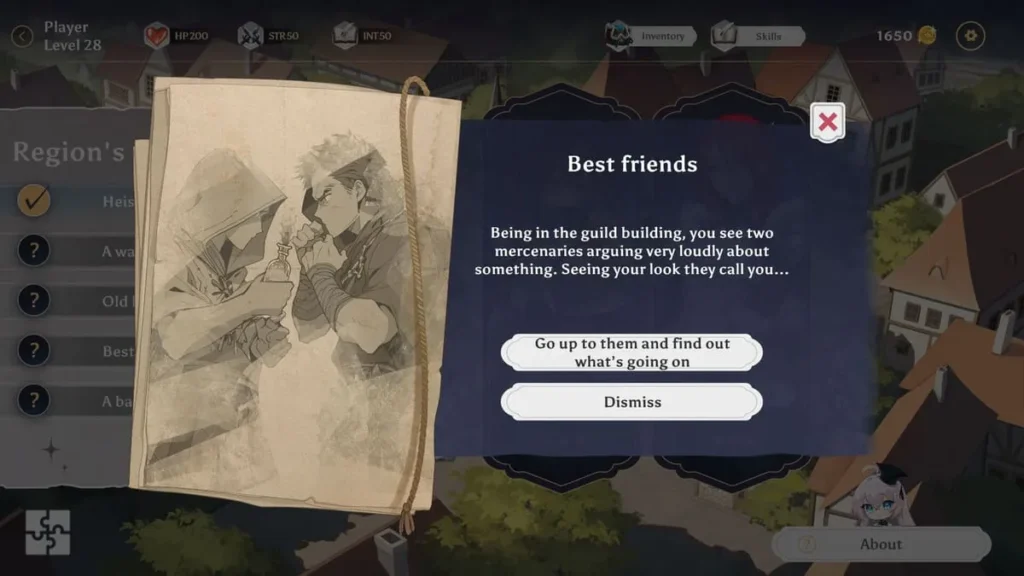
Now, let’s talk about the map events. This is the true event choices guide heart of the strategic layer. You’ll encounter mysterious nodes offering choices that can grant blessings, inflict curses, start special combats, or present moral dilemmas.
Story Time: On one run, I chose a “Rest at the Shrine” event early on. It offered me a powerful rare card that had no synergy with my deck. Greedy for power, I took it. For the rest of the run, that card clogged my draws, a dead weight I couldn’t remove. It taught me that synergy is more valuable than raw rarity.
Here’s a quick checklist to follow during your runs:
* Do manage consumables; they are free actions and can turn a losing battle.
* Don’t over-commit to a “pack” of cards from an event if they don’t fit your strategy.
* Do path towards at least one shop per act to tune your deck.
* Don’t ignore event nodes that offer deck manipulation (like card removal) even if they seem less exciting than a combat.
Early-game vs. Late-game Priorities:
* Early Game: Focus on reliability. Add solid, medium-impact cards that solve immediate problems (direct damage, basic block). Seek out card draw and card removal options. Survive and build a foundation.
* Late Game: Look for game-winning synergies and high-cost, high-impact cards. Your deck should be aiming for a specific powerful combo or overwhelming stat advantage. At this stage, adding a specialized, rare card that perfectly fits your build is worth the risk.
Mastering the AURA: Hentai Cards combat, understanding the deeper card mechanics, applying solid deckbuilding tips, leveraging your classes and abilities, and using this event choices guide will transform your gameplay. Remember, every failed run is a lesson in what not to do, and every victory teaches you what’s possible. Now, go build that unbeatable deck! 🏆
AURA: Hentai Cards rewards experimentation, careful deck construction, and smart resource management; by understanding the combat fundamentals, assembling synergetic decks, pursuing progression targets, and tapping into community resources, you’ll make steady improvements across runs. Use the checklists and example builds provided to guide your next playthrough, prioritize consistency and synergy when choosing cards, and treat each run as a learning opportunity. If you found these tips helpful, try one recommended archetype on your next run and share your experience with the community so others can learn from your approach.