Alpha Omega
Play Alpha Omega
Alpha Omega Screenshots

















Alpha Omega review
A practical, experience-driven breakdown of Alpha Omega gameplay, systems, and player tips
Alpha Omega is a niche adult-themed game that blends visual-novel style storytelling with branching choices, character progression and simulated encounters — this guide dives into how the game works, what players can expect, and practical tips from my own experience playing it. In the first section I explain the core loop and user interface to get you playing fast; later sections explore narrative structure, character systems, recommended settings, and safety/privacy advice. Whether you’re curious about mechanics, want to optimize playthroughs, or need help troubleshooting, this article walks you through each step with personal observations and actionable recommendations.
Core Gameplay: How Alpha Omega Works
Alright, let’s cut through the confusion. You’ve booted up Alpha Omega, maybe seen a stunning cinematic or two, and now you’re staring at a screen full of icons, meters, and dialogue options wondering what on earth you’re supposed to do next. I’ve been there. The initial learning curve can feel steep, but once you understand its core gameplay, everything clicks into place beautifully. This isn’t just a game you watch; it’s a world you actively shape with every decision. This guide will break down exactly how to play Alpha Omega from the ground up, turning that initial overwhelm into confident control.
Overview of mechanics and user interface 🎮
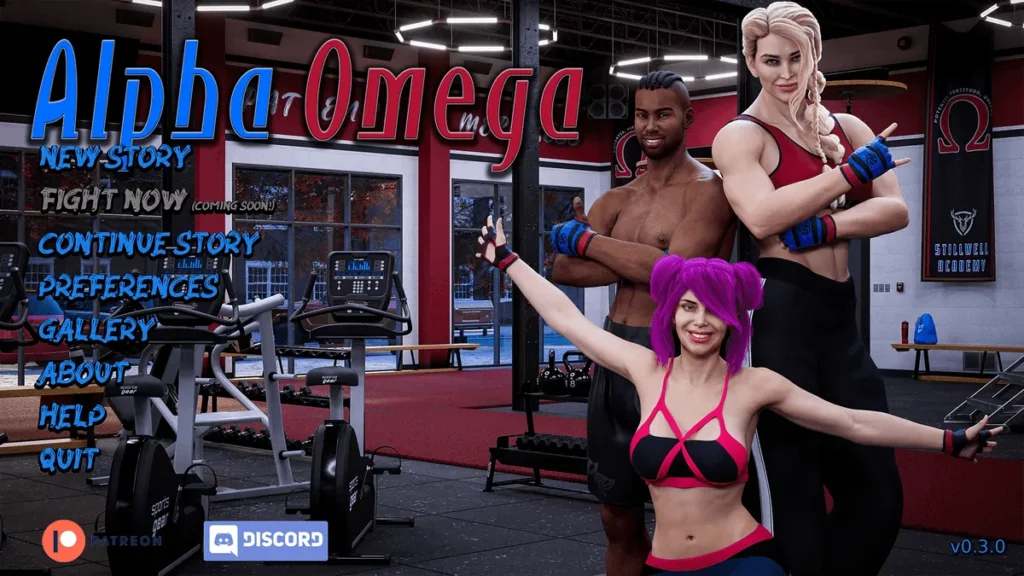
First things first: let’s get you familiar with the dashboard. The Alpha Omega UI is sleek but information-dense. Don’t panic—it’s designed to be your friend, not your foe. When you’re in a story scene, your screen will typically be clean, focusing on the gorgeous character art and backgrounds. The magic happens at the edges.
Your primary tools are the dialogue box at the bottom and the subtle interaction prompts that appear when you hover over points of interest or characters. Choices are presented clearly, often with a timer (you can usually disable this in settings if you prefer to ponder). The real hub of Alpha Omega gameplay is your Main Menu, accessed by hitting ESC or a dedicated menu button. Here’s your mission control:
A crucial part of understanding Alpha Omega mechanics is knowing what each screen does. Here’s a quick-reference guide to the main menus you’ll live in:
| Menu Name | Primary Purpose | Quick Access (PC) |
|---|---|---|
| Story Log | Review past dialogue, track choice history, and replay unlocked scenes. | L |
| Relationship Matrix | See your current affinity levels with every major character, often with cryptic hints about their state. | R |
| Profile & Stats | View your character’s attributes, collected key items, and overall game progress percentage. | P |
| System | Save, load, adjust every setting imaginable, and exit to desktop. | ESC |
Pro-Tip from my early struggles: ❤️ Spend five minutes when you first start just clicking through every menu. Familiarize yourself with the Alpha Omega UI before the narrative pressure kicks in. It saves so much mid-scene fumbling.
Now, let’s talk about the Alpha Omega save system, because it’s critical. The game uses a hybrid model:
* Auto-Saves: It periodically creates checkpoints at the start of new chapters or major scenes. Don’t rely solely on these!
* Manual Saves: This is your best friend. You have numerous save slots—use them liberally. I recommend saving before every major choice. The game doesn’t always signal how big a decision is, so saving frequently is your ticket to exploring branches without regret.
* Quick Save/Load: Usually F5 and F9. Lifesavers. Use them constantly.
Personal Insight: I once lost two hours of progress because I trusted auto-save during a long, choice-less narrative segment that crashed. Now, I manually save after every significant event. Learn from my pain!
Progression systems and choice consequences ⚖️
This is where Alpha Omega truly shines. Your journey isn’t just about moving from point A to point B; it’s about watching the ripple effects of your actions. The core Alpha Omega mechanics of progression revolve around two interconnected pillars: Stats and Relationships.
Your character has hidden stats—things like Empathy, Cunning, Resolve, and Logic. You rarely see the raw numbers, but your dialogue and action choices subtly feed them. These stats act as keys. A high enough Resolve might unlock a bold confrontation option later, while sufficient Empathy could reveal a character’s hidden sorrow in a conversation.
Relationships are more visible. The Relationship Matrix in your menu shows meters for key characters, often represented by evocative icons or titles (e.g., “Trusted Ally,” “Cautious Acquaintance,” “Bitter Rival”). Every choice you make in their presence, and even some made elsewhere, tweaks these meters. The state of these relationships directly determines:
* Which dialogue branches are available.
* Whether you unlock special, intimate character scenes.
* Which of the many Alpha Omega endings you ultimately qualify for.
Consequences are both immediate and long-term. A snappy retort might give you a short-term advantage but permanently burn a bridge, locking you out of that character’s route. A seemingly small act of kindness in Chapter 2 might be the sole reason an ally comes to your aid in Chapter 7. The game remembers everything.
A Hard Lesson: In my first playthrough, I prioritized logic and efficiency in every dialogue pick. I reached an ending, sure—the “Lone Strategist” ending. It felt cold and lonely. I’d maxed my Logic stat but left every relationship in tatters, missing over 60% of the game’s scenes. It was a powerful lesson: Alpha Omega gameplay rewards emotional investment as much as intellectual.
Gameplay loop and optimization tips 🚀
So, what does a typical session of Alpha Omega gameplay look like? The loop is deceptively simple but deeply engaging:
1. Experience Narrative: Watch and listen to the unfolding story.
2. Make Choices: Engage with dialogue and interaction prompts.
3. Manage Resources: This isn’t about ammo or gold, but your attention and saves. Check your Relationship Matrix after key scenes.
4. Branch & Repeat: Use your saves to explore critical choice branches, or continue forward to see the long-term results.
Based on countless hours (and chasing every single one of those elusive Alpha Omega endings), here are my top optimization tips:
- Starting Settings: Turn off choice timers for your first playthrough. Crank up the text speed, but not to max—you want to catch nuances. Enable highlighting for interactive elements if the option exists; it’s a huge accessibility win.
- Resource Management: Your key resources are save slots and real-world time. Don’t hoard saves. Create a new one for each major branch. Label them clearly (e.g., “Before_Choice_X_Leo_Route”).
- Ending Efficiency: To efficiently see multiple Alpha Omega endings, follow this plan:
- Play blind first. Enjoy the story and get your ending.
- For a 100% run, identify the “fulcrum” choices—usually 3-4 major decisions that split the entire story. Load a save just before the first one and make the opposite choice.
- Use a guide sparingly only to check flags for specific character scenes you can’t seem to unlock.
- Accessibility Notes: The game offers robust text size and contrast adjustments. For motor considerations, you can often remap all keys, and the ability to disable quick-time events (QTEs) or make them hold-based instead of tap-based is usually buried in the settings—dig for it! It transforms the experience.
From Theory to Practice: Two Playthrough Case Studies 🧪
Let me show you how this all comes together with two very different approaches I took.
Case Study 1: The “Swift Strategist” (Unlocking the “Zero Sum” Ending)
My goal here was one specific, bleak ending tied to maxing the Cunning stat and betraying a key ally at a precise moment. I ignored all relationship-building side dialogue, choosing only options that promoted personal gain or manipulation. I saved scummed before every conversation to ensure I picked the “correct” cold-hearted option. I used a guide from the start to identify the exact betrayal point. This playthrough was fast (about 4 hours) and felt ruthless. It showed me a fascinating, dark side of the Alpha Omega mechanics, but it was a hollow victory. I wouldn’t recommend it for a first run, but for ending hunters, this focused, stat-driven approach is how you efficiently check boxes.
Case Study 2: The “Empathic Explorer” (Completing Aris’s Character Route)
This was my favorite run. I decided to dedicate everything to building a relationship with the enigmatic artist, Aris. This meant prioritizing Empathy stats, choosing to engage with every art-related subplot, and, crucially, making choices that aligned with his values, not necessarily my character’s immediate safety. I had to fail a major strategic objective in Chapter 4 to protect his work, which felt terrifying! It locked me out of some later combat options but opened up entire, beautiful scenes of conversation and backstory I never knew existed. This route was slower, richer, and culminated in the “Unveiled Canvas” ending, which is still my personal favorite. It’s the perfect example of how deep Alpha Omega gameplay goes when you fully commit to a path.
Your Alpha Omega Quick-Start FAQ ❓
How do I save manually?
Open the System menu (ESC), navigate to the Save tab, and pick an empty slot. Name it something descriptive! For speed, use the Quick Save (F5) function constantly.
Can I replay individual scenes?
Yes! 💫 This is a fantastic feature. Once you’ve unlocked a scene, you can access it from the Story Log (press L). You can re-watch it and even make different choices within that scene, though it won’t alter your main game progress—it’s just for fun or experimentation.
Does the game auto-update?
If you purchased it on a major platform like Steam or GOG, it will auto-update through their clients by default. Always check the patch notes when an update drops; they sometimes add subtle new choice flags or clarify mechanics!
Mastering how to play Alpha Omega is about embracing its philosophy: your choices are permanent, meaningful, and deeply personal. Start by understanding its interface, respect its save system, and don’t be afraid to follow your heart (or your cunning intellect) down a path to see where it leads. The replayability is staggering, and each journey reveals new layers to its world. Now, go forge your own story
Alpha Omega combines branching narrative, character-driven routes, and systems that reward deliberate play; by understanding the interface, managing progression stats, and using the practical tips above you can experience all major storylines while avoiding common pitfalls. Backup your saves, plan playthrough goals (fast completion vs. exploration), and use safe modding practices if you choose add-ons. Try one focused route first to get comfortable, then use the checklists and replay order suggested here to unlock hidden content and endings. If you enjoyed this guide, leave a comment with your favorite route or a tip you discovered — it helps other players and improves future updates of this guide.