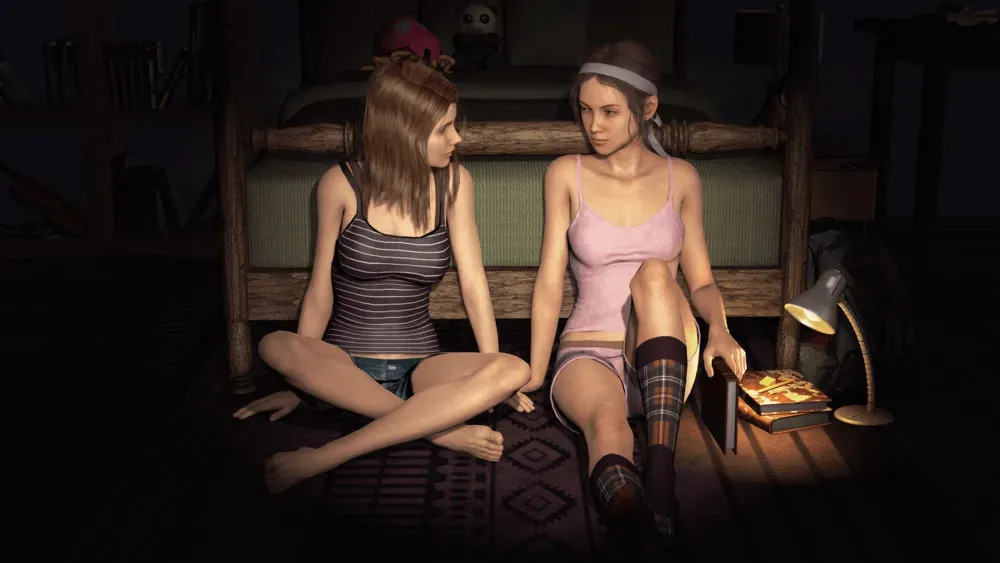
Acting Lessons
Play Acting Lessons
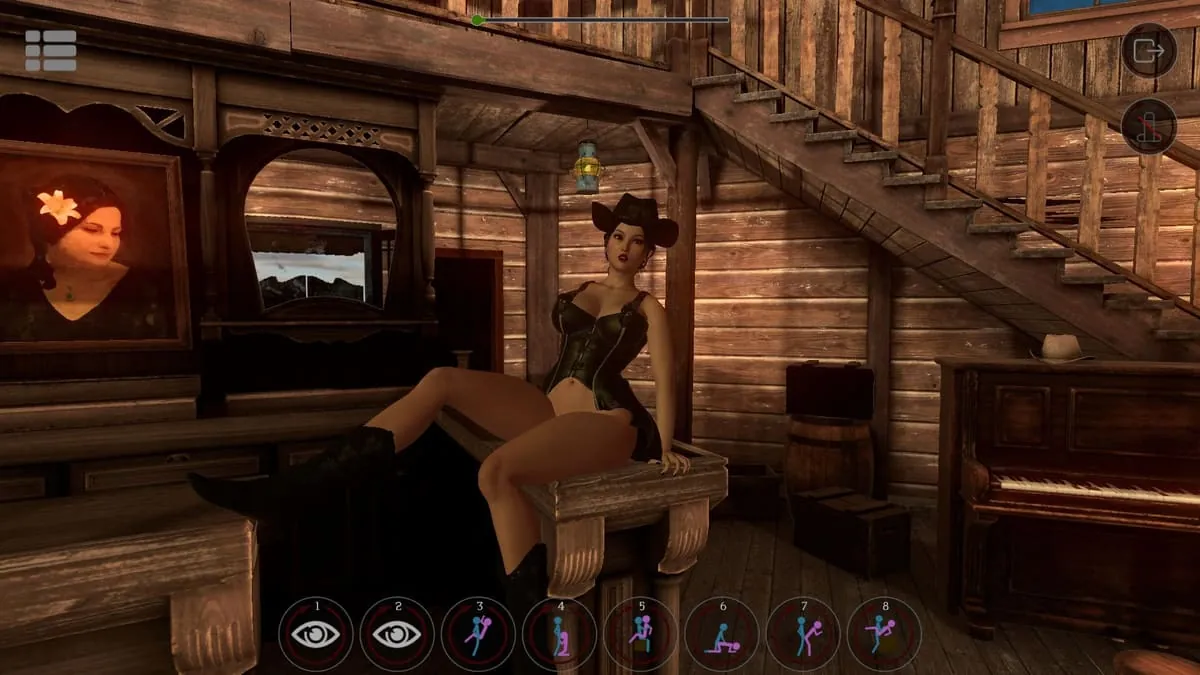
Acting Lessons Screenshots











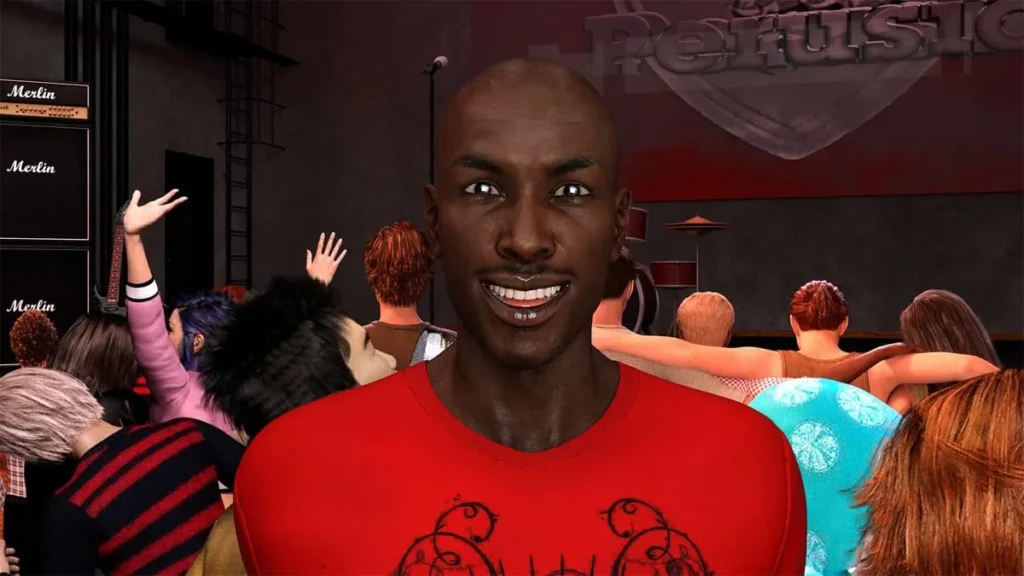





Acting Lessons review
Explore choices, characters, and storylines in this adult drama VN
Acting Lessons stands out as a narrative-driven adult visual novel that prioritizes storytelling alongside mature content. Developed by solo creator DrPinkCake, this episodic game follows a young man navigating complex relationships, moral choices, and unexpected plot twists. Unlike typical adult games that focus solely on explicit content, Acting Lessons weaves intimate scenes into a compelling drama filled with character depth, multiple endings, and consequences that ripple throughout your playthrough. Whether you’re drawn to choice-driven narratives, character-focused storytelling, or exploring different relationship paths, this guide covers everything you need to know about the game’s mechanics, characters, and what makes it resonate with players.
Understanding Acting Lessons: Game Overview and Core Mechanics
So, you’ve downloaded Acting Lessons, ready for some lighthearted fun, and now you’re emotionally compromised, wondering how a game about dating actors hit you so hard. 😅 Welcome to the club. This isn’t your typical visual novel, and that’s exactly why we need this guide. Forget what you think you know about the genre—DrPinkCake’s debut title is a masterclass in weaving mature themes into a genuinely gripping human drama. It’s a choice-driven narrative game where every glance, every joke, and every moment of kindness or cruelty ripples through the entire story.
This chapter is your backstage pass to understanding the machinery behind the magic. We’ll break down the adult visual novel mechanics that serve the story, not the other way around, and explore how your agency shapes a world that feels startlingly real. Whether you’re reeling from your first playthrough or gearing up for another, let’s dive into the systems that make Acting Lessons an unforgettable experience.
What Makes Acting Lessons Different From Other Adult Visual Novels
Let’s address the elephant in the room first: the “adult” label. 🐘 In many games, mature content is the primary draw, with the plot acting as a flimsy scaffold. Acting Lessons flips this script entirely. Here, the intimate scenes are a consequence, not the goal. They are narrative punctuation marks—moments of vulnerability, passion, or mistake that arise organically from the relationships you’ve built. The game is first and foremost a character-driven drama about friendship, trauma, sacrifice, and love. The mature elements are simply part of that authentic, sometimes messy, portrayal of adult life.
What truly sets this DrPinkCake game apart is its tonal confidence. It’s not afraid to be genuinely funny in one moment and heart-wrenchingly tragic the next. You’ll share laugh-out-loud moments with the lovable Liam, then minutes later be faced with decisions that carry devastating moral weight. This balance is achieved through a sharp script and a branching storyline that takes your choices deadly seriously. The game also uses a presentation style of beautifully rendered still images, with subtle animations reserved for key actions and scenes, focusing your attention on the characters’ expressions and the weight of the dialogue.
My first playthrough was a blind one—I just followed my heart. I ended up deeply invested in one character’s path, only to be blindsided by a narrative twist that forced me into a choice I wasn’t remotely prepared for. I actually put the game down for a day because it felt too real. That’s the power of its design: the adult visual novel mechanics aren’t about titillation; they’re tools for raising the emotional stakes and making you feel the consequences of your virtual life.
How Choice and Reputation Systems Shape Your Story
At the core of the Acting Lessons experience is a deceptively simple yet profound dual system: your moment-to-moment choices and your overarching reputation. This is where the game transforms from a story you read into a story you build.
The Micro: Every Choice Matters ✨
From the very first episode, you are constantly making decisions. And I mean constantly. Some seem trivial: do you check out a character when they bend over? Do you offer a supportive word or a sarcastic joke? Others are monumental: do you accept a romantic advance? Do you confront a friend about a secret or keep the peace?
Pro Tip: Save often and in multiple slots! The game encourages experimentation, and you’ll want to revisit key decision points without replaying hours of content.
The genius is that the “trivial” choices are anything but. They steadily build your character’s personality and influence how other characters perceive you. A pattern of lecherous glances might shut down potential romance with a more reserved character, while consistent kindness can open doors you didn’t know existed. This creates an incredibly reactive world where you feel seen—for better or worse.
The Macro: The DIK Reputation System ⚖️
Looming over all these micro-decisions is the game’s unique reputation system gameplay. Your actions are broadly categorized as either “DIK” (a slang term for a jerk) or… well, not a DIK. This isn’t a simple good/evil meter. It’s a reflection of your protagonist’s prevailing attitude—are you more often a self-centered, impulsive guy, or a considerate, reliable one?
This reputation acts as a key. Certain story branches, dialogue options, and entire relationship paths are locked or unlocked based on your dominant affinity. Pursuing the fiery Rena, for example, might require a more DIK-aligned approach, while building a future with the gentle Megan could be facilitated by a sweeter disposition. The system ensures that your playthrough has a coherent narrative flavor and prevents your character from being a chaotic, contradictory mess. It makes each playthrough distinct, as leaning into a different reputation fundamentally alters the social dynamics of the game.
To see how this plays out, let’s look at some concrete examples:
| Choice Type | Example Decision | Potential Short-term Consequence | Potential Long-term/Ripple Effect |
|---|---|---|---|
| Trivial / Character Building | Choosing to tease Liam vs. comfort him about his career. | Immediate dialogue shift; a quick laugh or a moment of bonding. | Solidifies your friendship dynamic; may influence what personal info he shares later or his support in a future crisis. |
| Serious / Romantic | Accepting or rejecting a kiss from a love interest at a key moment. | Directly advances or halts a romantic path for that episode. | Can lock you into a specific relationship branch, making other paths unavailable and dramatically altering the mid-game conflict and ending options. |
| DIK Reputation Choice | Taking advantage of a vulnerable situation for personal gain. | Gain DIK points; immediate scene plays out differently. | Unlocks future DIK-only dialogue/scenes; may permanently damage trust with certain characters, closing off their subplots. |
| Non-DIK Reputation Choice | Going out of your way to help a friend with no benefit to yourself. | Gain Non-DIK points; a positive character reaction. | Unlocks more empathetic story options; builds a foundation of trust that can pay off with crucial support during the game’s major climax. |
Navigating Multiple Endings and Replay Value
Here’s the real secret: you haven’t truly experienced Acting Lessons after just one playthrough. 🗝️ With its robust branching storyline choices and reputation gates, the game is designed for multiple revisits. We’re talking about a multiple endings visual novel in the truest sense, where “endings” aren’t just a final slide, but entirely different narrative journeys to reach them.
The Architecture of an Ending
An ending in Acting Lessons isn’t a simple A/B switch. It’s the culmination of dozens of decisions across two primary axes:
1. Your Primary Romantic Partner: Who, if anyone, you have built a committed relationship with by the story’s climax.
2. The Major Sacrifice: The game’s central, heartbreaking dilemma, where your choice is heavily influenced by your relationships and reputation.
Combining these leads to a spectrum of conclusions. You could have a bittersweet but hopeful ending with one character, a tragically romantic ending with another, or even an ending focused on friendship and personal growth. Some endings are only accessible if you made very specific choices much earlier in the game, sometimes as early as Episode 2 or 3.
The Replay Mindset: It’s a New Story 🔄
Thinking of this as “replaying” can be misleading. It’s more like starting a new story in a familiar world. A second playthrough lets you:
* Pursue a Different Love Interest: This is the most common reason. The characters are written with such depth that you’ll be genuinely curious about their unique paths. Seeing the main story events from the perspective of being Melissa’s partner versus Megan’s, for instance, feels dramatically different.
* Explore a New Reputation: Play as a total DIK or a saintly nice guy. You’ll be shocked at how many scenes, jokes, and conflicts are exclusive to these alignments. Characters you befriended in one run might despise you in another.
* Uncover Missed Subplots: Several smaller character arcs and secrets are easy to miss. A different set of choices can reveal hidden layers to supporting characters, enriching the world.
* Optimize for a “Perfect” Path: Once you know the major twists, you can guide your playthrough to craft a specific, perhaps less traumatic, outcome for your favorite characters.
On a practical level, each playthrough takes about 4-5 hours, making it a perfect weekend commitment. The game’s technical design supports this beautifully, with ample save slots to bookmark crucial decisions and an episodic structure that provides natural pause points. Available on PC, it’s a accessible experience.
My personal “aha!” moment came on my third playthrough. I was determined to see a specific ending with a character I’d neglected before. I carefully managed my reputation system gameplay, made choices I normally wouldn’t, and was rewarded with entire scenes and emotional beats I never knew existed. It felt like discovering a hidden chapter of a book I loved. That’s the magic DrPinkCake engineered.
Ultimately, Acting Lessons respects your time and intelligence. It doesn’t just offer a list of endings to collect; it offers completely different emotional journeys. The multiple endings visual novel structure is a promise that your choices have power, that these digital people react to the persona you project, and that there is always another layer to uncover. It transforms the game from a one-time story into a personal narrative toolkit, inviting you to explore every shadow and spark of light in its beautifully crafted, emotionally charged world.
Acting Lessons represents a thoughtful approach to adult visual novels, proving that mature content and compelling storytelling aren’t mutually exclusive. Through its choice-driven mechanics, complex characters, and branching narrative paths, the game creates an experience that rewards multiple playthroughs and emotional investment. Whether you’re drawn to the dramatic twists, the relationship dynamics, or the freedom to shape your own story, Acting Lessons delivers substantial value with its 4-5 hour playtime per route and numerous endings to discover. The game’s success lies in treating its characters as real people with depth and agency, making your choices feel consequential. If you’re seeking a visual novel that balances adult content with genuine narrative depth and character development, Acting Lessons stands out as a compelling choice that respects both your time and your desire for meaningful storytelling.